
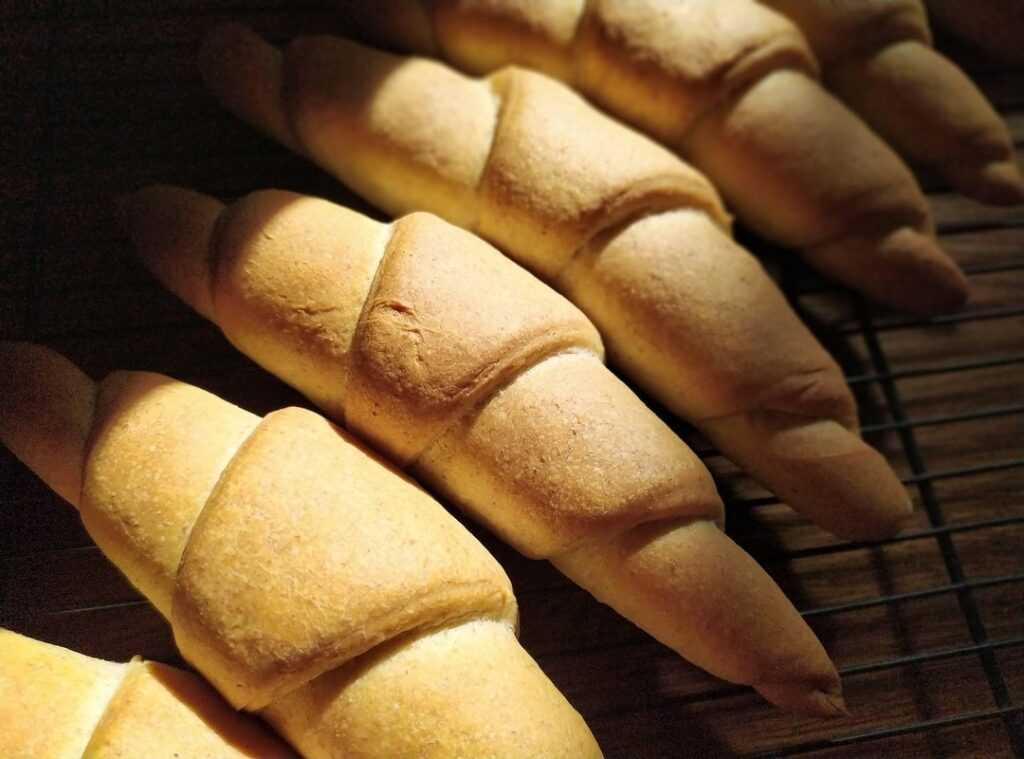
Ever spent hours on a pie crust, only to pull a soggy mess from the oven? Or watched a croissant flatten out like a sad pancake? I have, and it’s maddening.
But here’s the promise: you can turn those baking disasters into flawless pastry creations. I’m passionate about the blend of culinary art and precision technology. Consistency isn’t just for the pros.
I’ll share perfect pastries tips (grounded) in science and tech (to) help you bake with confidence. No more guesswork. Just reliable, delicious results.
Trust me. You’ll soon understand the art of creating pastries that impress every time.
The Science of Cold: Unlocking Pastry Perfection
Cold butter in baking? It’s like magic. The physics are simple: when that cold, solid fat hits a hot oven, it turns to steam.
That steam pushes layers of dough apart, creating delicious, airy pockets. Ever wondered why your pastries aren’t flaky enough? You’re probably ignoring the temperature.
It’s not just about the butter. Chill your flour, use ice water, and rest your dough between folds.
Keep your rolling pin and work surface cold too. Yes, even your rolling pin. You might think it’s overboard, but precision is everything here.
The quality of butter matters. Trust me, high-fat, European-style butter is your best friend. Its lower water content means better flavor and more flakiness.
Those typical supermarket brands? They just don’t cut it. If you want perfect flaky layers, invest in the best.
This might sound like a luxury, but it’s a game changer.
Want to up your game? Introduce a simple digital probe or infrared thermometer to check your butter and dough temperature. Keeping it below 60°F/15°C makes a world of difference.
Who knew science class would return with a vengeance in your kitchen? It’s all about precision, folks.
Next time you’re getting serious about pastries, remember these perfect pastries tips. And for those who want to dive deeper into the precision game, check out the advanced bread baking techniques master. It’s the ultimate guide to mastering the art of baking.
You might just find yourself becoming the pastry master you’ve always dreamt of being.
Your Modern Arsenal: Precision Tools That Guarantee Consistency
You want to bake like a pro? Let’s talk about the tools that turn your kitchen into a lab. A digital scale is the single most important tool.
Ever tried scooping flour with a cup and wondered why your cake flopped? It’s all about density. Flour density can change with humidity, storage, or even how you scoop it.
Grams over cups, I say. It’s precise. It’s consistent.
Next, the smart stand mixer. A timer that prevents over-mixing gluten? Yes, please.
Some even have bowl-heating functions for those tricky custards. Tempering chocolate or custard becomes less of a gamble. You mix.
You walk away. It doesn’t overdo it. Perfect pastries tips?
Start here.
Induction cooktops, though, are a game-changer. Instant and precise temperature control is what you need for custards, caramels, or pâte à choux. No more guessing.
No more scorching. I mean, what did we do before these?
And let’s not forget the food processor. Making pie and tart doughs with those sharp blades is a breeze. It chops the butter quickly, doesn’t melt it, and keeps the gluten intact.
You get flaky crusts every time. Ever tried doing that by hand? Your hands warm the butter, and you overwork the dough.
These gadgets aren’t just tech for tech’s sake. They’re essentials. They take the guesswork out of baking.
They make consistency a given, not a happy accident. Are you ready to step up your baking game? You should be.
The Baker’s Touch: Mastering Techniques for Tenderness and Flake
Ever wondered what makes a pastry perfect? It’s all in the technique. Take the French method of fraisage, for example.
Then there’s autolyse. It sounds fancy, but it’s just letting flour and water rest together for a bit. This simple pause hydrates the flour fully (science magic at work), making the dough extensible.
Gently smearing dough with the heel of your hand creates long streaks of butter. This leads to a shatteringly flaky crust. You feel like a magician when that crust shatters just right.
Less mixing, more tenderness. Who doesn’t want that?
Blind baking is another key trick. Without pie weights, your crust may shrink or puff up. No one wants a deflated pie.
Modern bakers often use silicone inserts or perforated tart rings. They allow better air circulation, ensuring a crisp base.
These aren’t just tips; they’re game-changers. For more on elevating dessert presentation like pro, check out some expert takeaways.
Remember, mastering these techniques isn’t just about following steps. It’s about understanding the why behind them. That’s where true baking mastery lies.
These perfect pastries tips are your passport to pastry perfection.
Mastering the Heat: Oven Science for Golden-Brown Bliss
Ever pull a tray out of the oven and find some cookies are overdone while others are still doughy blobs? Yep, that’s a classic case of uneven baking. Most home ovens are notorious for this.

They have hot spots and thermostats with a mind of their own. But don’t despair. I’ve got a trick for you: an independent oven thermometer.
It’s a cheap tool that shows you the true oven temperature.
The fan keeps the heat circulating, so everything bakes evenly. On the other hand, conventional settings are your friend when dealing with delicate dishes like cheesecakes. They need a more gentle touch to prevent cracking.
Here’s the thing about convection and conventional settings. Convection ovens are great for browning. Imagine baking multiple racks of cookies (oh, the dream).
Let’s talk materials for a sec. Baking steel? Incredible for crisping pie bottoms.
Ceramic? It gives a gentle, even heat, perfect for quiches. And those dark metal pans?
They’re all about that browning. Want more perfect pastries tips? Dig a little deeper into the science.
Understanding your tools can transform your bakes from meh to magnificent. Cooking is science, after all.
From Panic to Perfect: Troubleshooting Guide
Ever had a soggy bottom crust make you question your life choices? I know I have. But don’t despair!
Here’s a tech-enhanced solution. Bake on a preheated baking steel and use a perforated pan. Why?
It cranks up airflow. Verify doneness by checking the internal temperature of the filling. Sounds fancy but works like magic (trust me).
Now, let’s tackle that tough, chewy crust. Ugh, right? It’s probably due to overdeveloped gluten.
The fix? Use a food processor for mixing with minimal friction. The dough should be chilled before rolling.
Seriously, it makes a difference.
Pastry shrinking like crazy in the pan? We’ve all been there. Rest your dough for at least an hour in the fridge after lining the pan.
It lets the gluten strands relax. Perfect pastries tips like these make a world of difference. Who knew a little rest could save the day?
Your Pastry Adventure Awaits
We’ve all faced those pastry mishaps. But that’s history now. Remember this: blending classic baking wisdom with today’s kitchen tech is your ticket to success.
It’s not just about hope anymore; it’s about delivering consistent, mouthwatering results. You’ve got the perfect pastries tips to forge ahead with confidence. So what are you waiting for?
Grab that digital scale, trust your skills, and craft something extraordinary. Your next masterpiece isn’t just a dream. It’s within reach.
Join countless others who have already tasted success. Dive in now and create pastries that leave a lasting impression.
 Daniel Loseyowna serves as a lead innovator, specializing in the "digital hacks" and meta-shifts of modern cooking. He focuses on the integration of smart home logic and software-driven techniques that streamline meal preparation and skill development. By breaking down intricate gastronomic methods into actionable, tiered modules, Daniel empowers the Tbtechchef community to evolve their skills through experiential learning. His work ensures that every digital blueprint and tutorial is field-tested, turning the kitchen into a space of constant growth and technological mastery.