

What will the world be eating in just a year—and how will it be grown, prepared, and personalized? As climate pressures intensify, technology accelerates, and health awareness reshapes consumer priorities, anticipating the future of food has never been more complex. This data-driven forecast of global food trends 2026 cuts through the uncertainty, examining how AI-powered nutrition, alternative proteins, and smart kitchen innovations are transforming our plates. By analyzing emerging research, market data, and advancements at the intersection of culinary arts and technology, this article delivers a clear, practical look at the forces that will define what—and how—we eat next.
The Rise of Hyper-Personalized Nutrition
I used to follow the same “eat more greens, cut the sugar” advice everyone else did. Then I wore a continuous glucose monitor for two weeks. The results? Oatmeal spiked my blood sugar more than a cookie. (Yes, I stared at the graph like it had personally betrayed me.) That’s when hyper-personalized nutrition—diet plans tailored to your unique biology—stopped sounding futuristic and started feeling necessary.
This shift moves beyond generic food pyramids toward plans built on genetics (your DNA blueprint), microbiome data (the ecosystem of bacteria in your gut), and real-time biometrics like heart rate variability. Critics argue this is overcomplicating eating—after all, humans survived without dashboards and data. Fair point. But research shows individuals can respond very differently to the same foods, even when calories are identical (Zeevi et al., Cell, 2015). One-size-fits-all simply misses nuance.
Smart Kitchens That Think Ahead
Imagine your fridge tracking expiry dates, your oven syncing with a nutrition app, and dinner adjusting automatically to your protein target. Smart systems now suggest meals, generate grocery lists, and tweak ingredients based on wearable feedback. It’s not sci-fi—it’s aligning with global food trends 2026.
Wearables close the loop. Smartwatches and glucose monitors feed apps that recommend lower-glycemic swaps in real time. Dynamic recipes—software-driven instructions that auto-substitute ingredients—adapt to allergies or macros instantly. I’ve seen pasta night morph into lentil noodles without sacrificing flavor (a small miracle).
For more context on functional ingredients shaping this shift, explore the rise of functional foods in everyday meals.
Alternative Proteins: From Niche to Mainstream
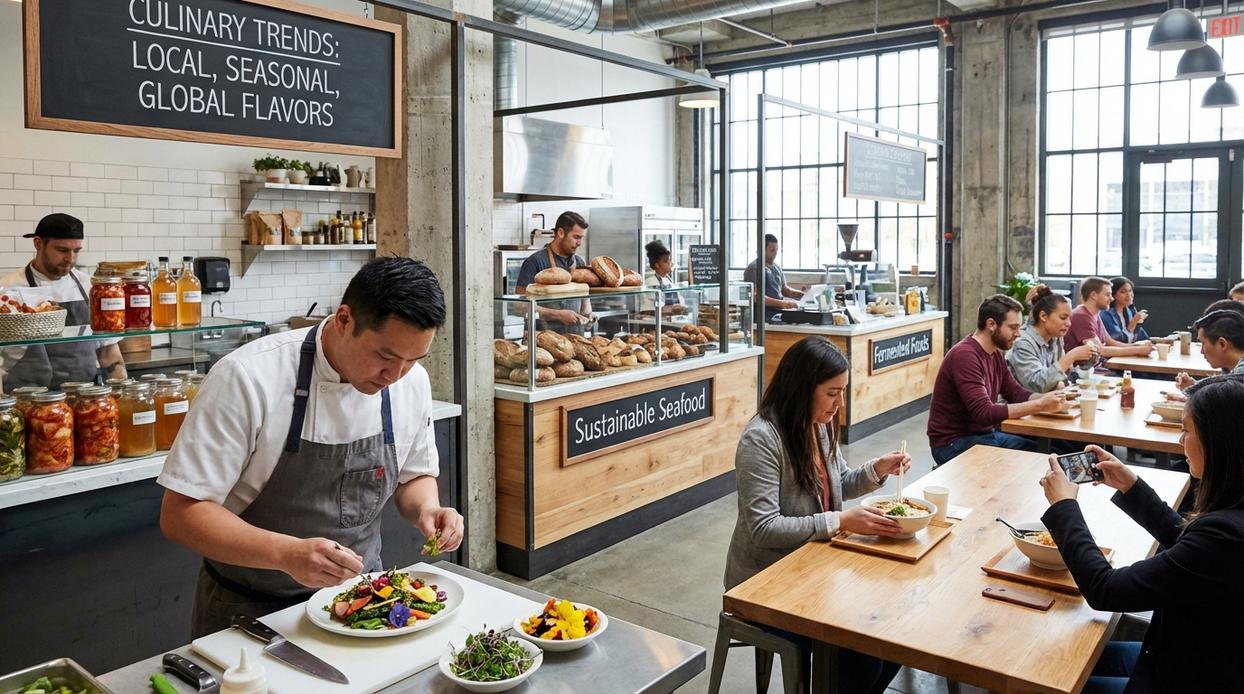
Back in 2019, alternative proteins were mostly the domain of early adopters and the endlessly curious. Fast forward to 2026, and the conversation has shifted from “Is this real food?” to “Is this better food?” That shift didn’t happen overnight—it took years of R&D, regulatory debate, and plenty of taste tests.
Plant-Based 3.0
First came imitation. Then improvement. Now we’re entering what many call Plant-Based 3.0—a phase focused on superior nutrition, shorter ingredient lists, and advanced texturization. Instead of ultra-processed isolates, brands are turning to whole-food bases like fava, mung, and chickpea, structured through extrusion (a high-pressure shaping process) and shear-cell technology. The result? Better mouthfeel and balanced amino acid profiles (finally, plants that don’t need a nutritional apology).
Cultivated Meat at Scale
Meanwhile, cultivated meat—grown from animal cells in bioreactors—has moved from lab prototypes in the early 2020s to limited restaurant rollouts. Regulatory approvals in markets like Singapore and the U.S. marked early milestones. Critics argue price parity is still years away, and they’re not wrong. However, production costs have dropped dramatically since 2020, and scaling bioreactors is accelerating timelines.
The Power of Fermentation
At the same time, precision fermentation (programming microbes to produce specific proteins) and biomass fermentation are quietly transforming flavor and texture. Think dairy proteins without cows or umami-rich mycoproteins grown in days, not months.
Tech-Enhanced Cooking Methods
Finally, new kitchen devices are emerging to optimize these proteins—controlled steam cycles, smart induction searing, and moisture-calibrated ovens. As global food trends 2026 evolve, the real win isn’t imitation—it’s innovation.
Supply Chain Transparency and Ultra-Local Sourcing
“Where did this tomato actually come from?” a shopper asked at a Brooklyn market. The grocer didn’t shrug. He pulled up a blockchain ledger on his tablet. “Scan this,” he said. “Harvested 42 miles away. Picked Tuesday. Soil moisture: 18%. Transport emissions: logged.”
That’s the new baseline. In global food trends 2026, transparency isn’t a bonus feature; it’s the product. Blockchain (a tamper-resistant digital ledger) and IoT sensors (internet-connected tracking devices) now verify a food’s origin, temperature history, and carbon footprint. Critics argue most consumers won’t check. Fair. But surveys from IBM show 71% of shoppers say traceability influences trust (IBM Food Trust, 2023).
Meanwhile, vertical farming is rising—literally. Controlled Environment Agriculture (CEA) grows crops indoors using precise light, water, and nutrients. “We harvest lettuce 365 days a year,” one urban farmer told me. “No drought surprises.” The counterpoint? Energy use. Yet a 2024 USDA report notes CEA can cut water use by up to 90%.
Then there’s AI-optimized logistics. Algorithms predict demand, reducing spoilage (FAO estimates one-third of food is wasted globally). Finally, smart kitchen pods hum beside coffee makers—part herb garden, part sci-fi prop (very Star Trek). Consumers aren’t just buyers anymore. They’re growers.
Functional Foods and the “Food as Medicine” movement are pushing nutrition beyond calories and macros. Consumers now expect snacks and drinks to support focus, gut balance, and immunity, not just hunger. This shift reflects global food trends 2026 and a growing belief that everyday meals can function like PREVENTIVE care. Skeptics argue that fortifying cereal with nootropics is clever marketing, not medicine. They warn research is still evolving. Fair. Yet ingredients like lion’s mane and ashwagandha are moving from capsules into coffee, protein bars, and sparkling water, signaling DEMAND for convenient cognitive and stress support. Personalized supplement kits, powered by at-home biomarker tests and smart devices, now generate custom nutrient blends delivered monthly. I predict supermarkets will soon stock algorithm-designed functional foods, tailored like a Spotify playlist for your microbiome (yes, really). Critics may call it hype, but personalization feels INEVITABLE as data-driven diets become mainstream across global markets worldwide.
Preparing Your Palate for the Future
You came here to understand the global food trends 2026 and how they will reshape what—and how—you eat. Now you see the shift: hyper-personalized nutrition, AI-powered kitchens, smarter supply chains, and functional ingredients redefining everyday meals.
The challenge is clear. As technology and biology converge on your plate, staying informed isn’t optional—it’s essential to avoid falling behind in a rapidly evolving food landscape.
The opportunity? Embrace these innovations to build a more sustainable, personalized, and healthier relationship with food.
Don’t let your kitchen become outdated. Start today—try one smart gadget or functional food and experience the future of cooking for yourself.
 Daniel Loseyowna serves as a lead innovator, specializing in the "digital hacks" and meta-shifts of modern cooking. He focuses on the integration of smart home logic and software-driven techniques that streamline meal preparation and skill development. By breaking down intricate gastronomic methods into actionable, tiered modules, Daniel empowers the Tbtechchef community to evolve their skills through experiential learning. His work ensures that every digital blueprint and tutorial is field-tested, turning the kitchen into a space of constant growth and technological mastery.