
The way we cook is changing faster than ever, blending culinary creativity with smart technology and data-driven precision. If you’re searching for how innovation is reshaping everyday cooking—from connected appliances to digital recipe optimization—you’re in the right place. This article explores how tech-enhanced methods, intelligent kitchen tools, and modern gastronomy are redefining what’s possible at home and in professional kitchens alike.
As interest grows in sustainability and transparency, the farm to table movement is also evolving through smart sourcing apps, temperature-controlled devices, and ingredient-tracking systems that bring greater control and consistency to every dish. We’ve analyzed emerging kitchen technologies, tested integrated cooking systems, and reviewed real-world applications to separate practical innovation from passing trends.
Here, you’ll discover how smart kitchen ecosystems work, which tools genuinely improve results, and how digital recipe hacks can elevate flavor, efficiency, and precision—so you can cook smarter, not just harder.
From Farm to Fork: The Digital Shift in Local Produce Promotion
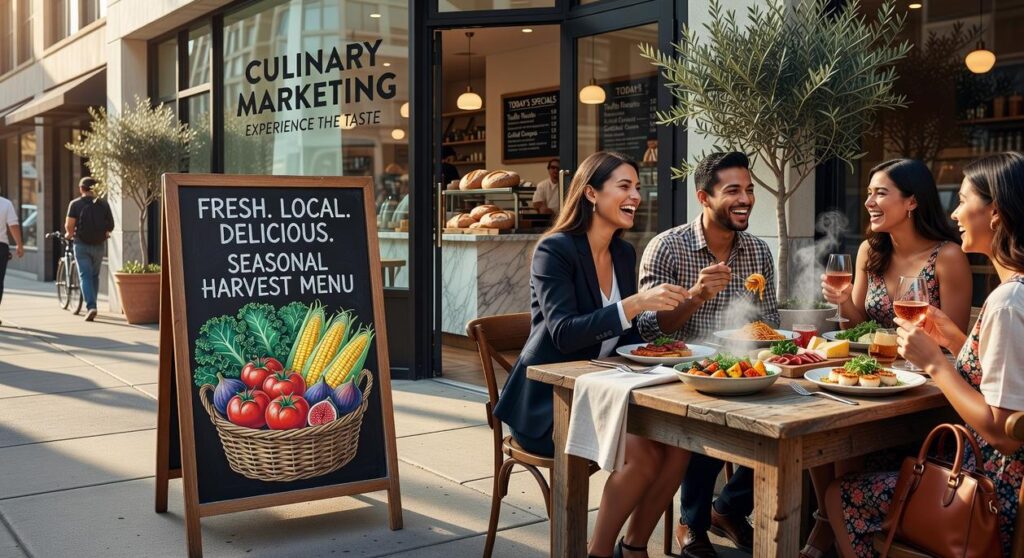
Today’s diners don’t just order meals; they order stories. According to a 2023 Nielsen report, 73% of consumers are willing to pay more for transparent sourcing. Yet simply writing “local produce” on a menu barely registers. The farm to table movement raised expectations—now guests want proof.
Digital traceability tools, like QR-based supplier maps, make origins visible (and clickable). Restaurants using interactive sourcing pages report up to 20% higher engagement times (Toast POS data, 2022).
• Add scannable codes linking to farmer profiles and harvest dates.
Transparency isn’t a trend; it’s measurable trust.
Tech-Powered Transparency: Connecting Diners to the Source
As we explore the journey of our food from farm to table and the importance of ingredient sourcing, you might also find innovative ideas in our article ‘Healthy Food Hacks Ontpdiet‘ to make those fresh ingredients shine in your meals.
Technology is reshaping how restaurants tell their sourcing story—and diners are paying attention. While some critics argue that screens at the table feel impersonal (“Shouldn’t food speak for itself?”), the right tools actually deepen human connection by showing the real people behind each ingredient.
The Power of the QR Code
Implement menu QR codes that link directly to a dedicated “Meet the Farmer” landing page. This page can feature:
- Short video interviews with growers
- High-resolution farm photos
- Clear details about growing practices (organic, regenerative, hydroponic)
Platforms like Toast and Square allow custom QR integrations, making setup straightforward. The benefit? Diners don’t just read “local tomatoes”—they see Maria harvesting them that morning. That transparency builds trust and justifies premium pricing (Pro tip: keep videos under 60 seconds for higher engagement).
Digital Menu Integration
Dynamic digital menu systems can automatically highlight the day’s freshest ingredients, display farm logos, and even note the distance from farm to restaurant (e.g., “12 miles away”). This real-time updating prevents printing waste and reinforces your commitment to the farm to table movement without extra staff training.
Supply Chain Storytelling
Inventory tracking apps like MarketMan or BlueCart log supplier data from delivery to prep. By capturing timestamps and origin details, you can share an ingredient’s journey on social media or in-house displays—turning logistics into narrative.
Gastronomic Device Synergy
Smart displays in the dining area can rotate farm images and origin stories, creating an immersive, documentary-style backdrop (think Chef’s Table, but live). The result: transparency that feels tangible, not transactional.
Smart Kitchen Innovations for Hyper-Local Sourcing
Smart kitchens are no longer about flashy gadgets; they’re about measurable gains. When technology supports hyper-local sourcing, you get fresher ingredients, tighter margins, and a stronger brand story (which customers absolutely notice).
Automated Inventory Management systems use real-time data to track stock levels and flag seasonal availability from nearby farms. In simple terms, this is software that predicts what you’ll need and when. Instead of over-ordering heirloom tomatoes that spoil in three days, the platform suggests optimal quantities based on sales trends and shelf life. The benefit? Lower food waste, steadier cash flow, and fewer last-minute supplier scrambles.
Meanwhile, Dynamic Recipe Generation tools powered by AI analyze your existing inventory and generate specials around what’s already in-house. Think of it as a culinary co-pilot that reduces waste while boosting creativity. If zucchini is abundant, the system might suggest a grilled zucchini flatbread or a plant-forward tasting plate inspired by the farm to table movement. The upside is clear: higher yield from every delivery and more profitable daily specials.
Equally important, B2B producer platforms connect chefs directly with growers, simplifying ordering and payment. Cutting out traditional distributors can mean better pricing transparency and stronger relationships. Some argue distributors save time. True—but direct platforms often provide fresher product data and faster communication, which translates to better menu agility.
Finally, Waste Reduction Tech like sous-vide and combi ovens maximizes edible yield from premium produce. Precision cooking preserves texture, nutrients, and portion control (goodbye guesswork). For kitchens exploring plant based evolution beyond basic meat substitutes, these tools ensure every ingredient works harder—and smarter.
Digital Recipe Hacks and Marketing Your Local Commitment
Geo-Targeted Social Media
First, tighten your radius. Platforms like Meta Ads Manager allow you to target users within a specific mile range of your restaurant, filtering by dining interests and recent engagement. Promote a daily special built around a “hyper-local hero” ingredient—like heirloom tomatoes harvested that morning—and pair it with short-form video from your kitchen. The feature here is precision targeting; the benefit is fewer wasted ad dollars and higher foot traffic from nearby diners who can actually act on the offer. Some critics argue paid ads feel impersonal. However, when creative highlights real farms and real faces, it feels neighborly—not corporate (think less billboard, more block party).
Content Collaboration
Next, co-create digital content with farm partners. Host an Instagram Live from the field during harvest or publish a blog post walking through how a specific crop moves from soil to plate. This behind-the-scenes transparency reinforces your participation in the farm to table movement while boosting cross-audience reach. Pro tip: tag collaborators in every post and encourage them to reshare for exponential visibility.
Email & SMS Campaigns
Meanwhile, segment your email and SMS lists by purchase history or dietary preference. Send targeted alerts about limited-time dishes featuring rare seasonal items. Built-in countdown timers and limited quantities create urgency and exclusivity—turning curiosity into reservations.
Building a Digital “Foodshed” Map
Finally, embed an interactive map showcasing your farm partners’ locations. Each clickable pin can feature photos, crop details, and delivery frequency. The feature is geographic transparency; the benefit is trust, loyalty, and stronger local identity.
Integrating Local & Digital for a Fresher Future
The biggest win of going digital with your local sourcing? Visibility that builds trust and drives revenue. When customers can see where their food comes from, verify its freshness, and connect with the story behind it, they’re far more likely to choose you over the place down the street (yes, even if that place has better lighting).
Technology removes the old friction points of the farm to table movement—manual tracking, confusing inventory, and inconsistent marketing. Instead, you gain:
- Real-time transparency that proves your sourcing claims
- Smarter inventory tools that reduce waste and protect margins
- Targeted digital marketing that turns local stories into loyal communities
What’s in it for you? Higher customer trust, stronger brand differentiation, and measurable growth. When diners feel connected to your suppliers and your process, they return—and bring friends.
Start small. Audit your tech stack and test one new tool this quarter in transparency, inventory, or marketing. Measure the impact, refine, and scale.
Elevate Your Kitchen Experience
You set out to understand how culinary innovation and smart technology can transform the way you cook—and now you have a clearer path forward. From tech-enhanced cooking methods to seamless gastronomic device integration, you’ve seen how modern tools can simplify complex recipes, reduce waste, and elevate everyday meals.
The real challenge isn’t access to technology—it’s knowing how to use it to solve the frustration of inconsistent results, wasted ingredients, and time-consuming prep. By combining smart kitchen innovations with the farm to table movement, you can create fresher, more precise, and more sustainable meals without adding stress to your routine.
Now it’s your move. Start integrating one smart tool into your kitchen workflow this week. Experiment with a connected device, optimize a digital recipe hack, or source fresher ingredients to pair with your tech-driven process.
If you’re ready to eliminate guesswork and cook with confidence, explore proven smart kitchen strategies from the #1 rated source for tech-enhanced culinary insights. Discover the tools, tips, and integrations that make modern cooking effortless—start upgrading your kitchen today.
 Daniel Loseyowna serves as a lead innovator, specializing in the "digital hacks" and meta-shifts of modern cooking. He focuses on the integration of smart home logic and software-driven techniques that streamline meal preparation and skill development. By breaking down intricate gastronomic methods into actionable, tiered modules, Daniel empowers the Tbtechchef community to evolve their skills through experiential learning. His work ensures that every digital blueprint and tutorial is field-tested, turning the kitchen into a space of constant growth and technological mastery.