
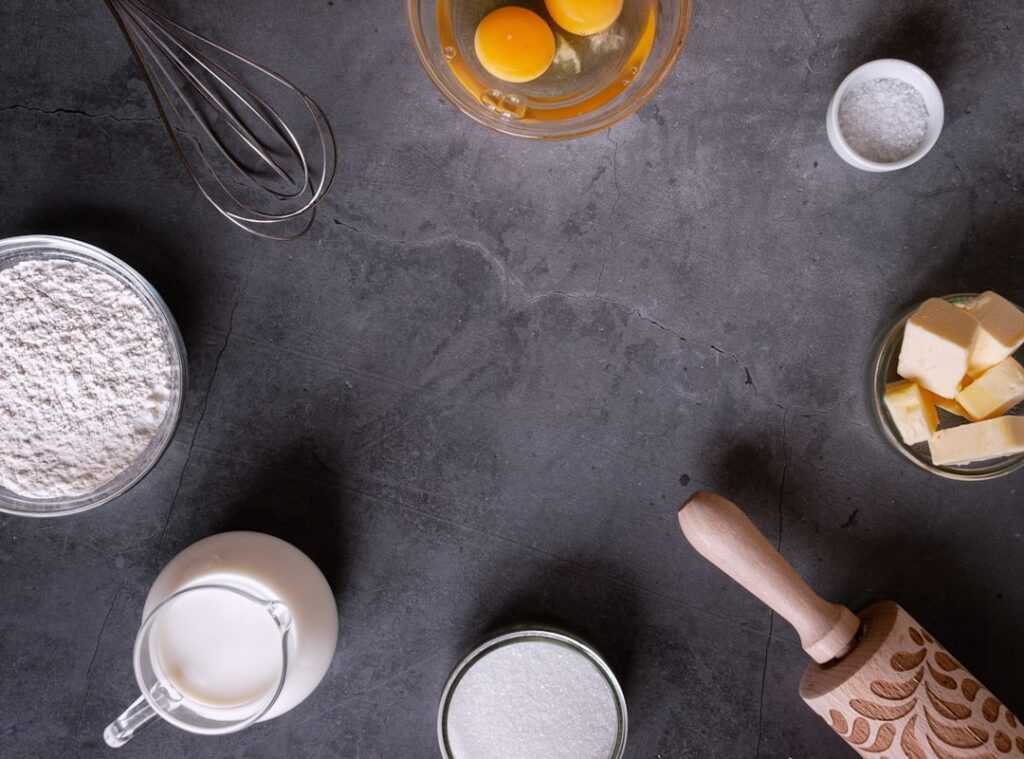
Ever tried baking bread only to end up with a loaf that’s more brick than bread? I have. Following traditional recipes should work, right?
Wrong. There’s frustration when you think you’ve done everything by the book, yet your bread refuses to cooperate. advanced bread baking techniques come in.
We’re diving into how modern technology and scientific principles can give you consistently good results. These aren’t just any methods; they’re tested and refined, bridging the gap between culinary science and home baking. I’ve explored dozens of tech-enhanced approaches to bring you something actually useful.
Doesn’t that sound promising? In this article, you’ll get a clear roadmap to bakery-level results. By the end, you’ll understand how to achieve the flavor and texture that’s been eluding you.
Ready to change your baking game? Let’s get started.
Innovation in Home Baking: A New Frontier
Remember when the “no-knead” method was all the rage? It felt like a revolution, didn’t it? But baking’s come a long way since then.
Now, the buzzword isn’t just ease but precision. We’re talking about advanced bread baking techniques that bring a whole new level of control to your kitchen. Think temperature control, humidity management, and even data-driven fermentation.
These aren’t just fancy terms. They’re game-changers.
But today, we can manage these factors with tech tools that make baking more predictable. It’s not about replacing the art of baking but enhancing it. Imagine the perfect sourdough every single time.
Why? Because traditional baking often felt like a gamble. Room temperature, humidity, and other variables could throw your perfect loaf off its game.
Are we losing the soul of baking with all this tech? Absolutely not. We’re just getting smarter about it, ensuring that each loaf is as good as the last.
It’s like elevating dessert presentation like pro with a touch of tech magic. Baking can still be an art form, just with a bit of science to back it up. And isn’t that what true innovation is all about?
Precision Fermentation: Smart Proofing Boxes in Action
Ever found yourself staring at dough, wondering if it’s ready? I sure have. the magic of a smart proofer comes in. These nifty gadgets take the guesswork out of fermentation, using technology to maintain the perfect temperature and humidity.
It’s like having a personal assistant for your dough.
Let’s get into it. A smart proofer or even a DIY setup using smart home devices can transform your baking. Imagine setting the exact temperature. 78°f for a bulk ferment, maybe a bit lower for a slow cold proof.
You control the process, not the other way around. A controlled environment eliminates those unpredictable rises on your kitchen counter.
The benefits are clear. You get fermentation on demand. Speed it up or slow it down as you wish.
Plus, you develop deeper flavors and achieve a more open, consistent crumb structure. It’s a game-changer for any serious baker.
Now, how do you actually use one? It’s simple. You program the proofer to your desired settings, and it does the rest.
Want to explore more advanced bread baking techniques? This is a great starting point.
The difference is night and day. A smart proofer gives you the precision that your kitchen counter can’t. It’s like having a climate-controlled bakery right at home.
And let’s be honest, who doesn’t want that?
Pro tip: Pair your smart proofer with a reliable recipe, and you’re on your way to bread perfection. Trust your dough to technology, and you’ll never look back. The results will speak for themselves.
The Sous Vide Method: Beyond Traditional Baking
Have you ever wondered how to achieve the perfect balance of moisture and crust in bread? The sous vide method might just be the answer. This technique is often celebrated in the culinary world for its precision and consistency.
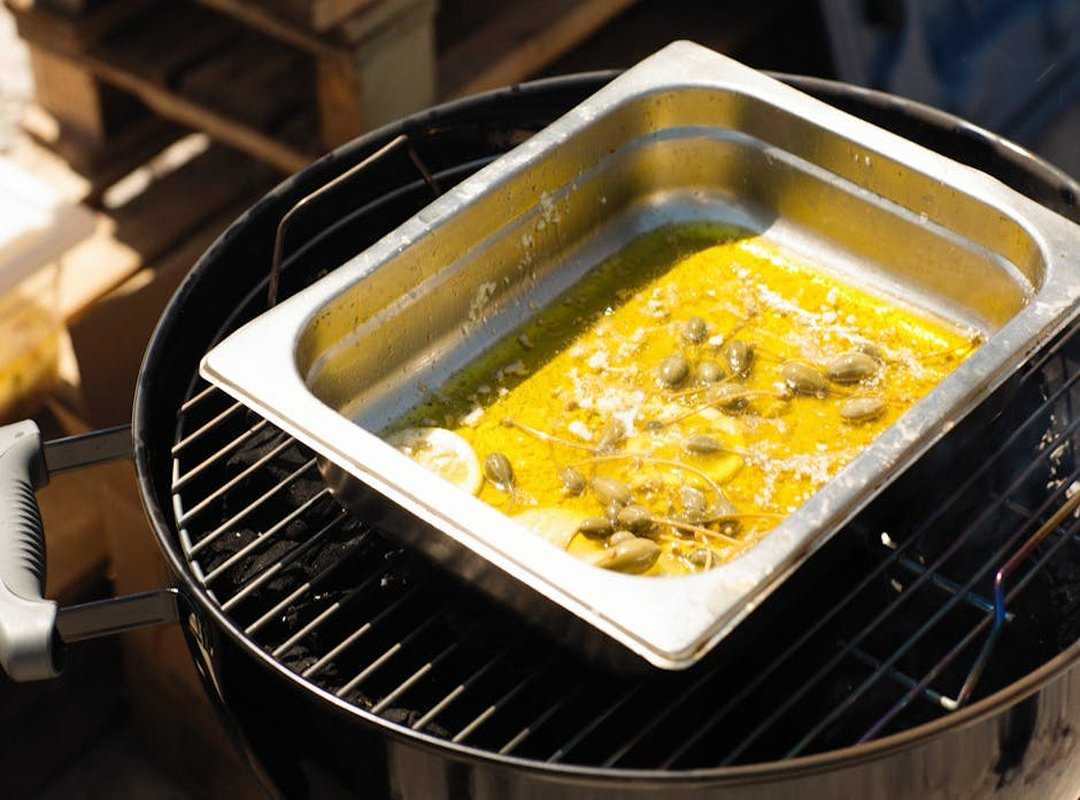
But it’s not just for steak or eggs. It’s time we bring it into our bread-baking repertoire.
Here’s the deal: You start by proofing your dough sealed in a vacuum bag. Sounds odd, right? It’s all about the environment.
The dough sits in a precisely controlled water bath, creating a super-hydrated atmosphere. This is what we call the magic of sous vide. The dough gets an “incubation” period that leaves it moist.
It’s like giving your bread a spa day.
Now, onto the science. The sous vide environment allows for a consistent temperature that regular ovens just can’t match. This ensures the dough retains moisture while rising beautifully.
The science behind it lies in moisture retention and heat control, key elements in advanced bread baking techniques.
Once you’ve mastered the sous vide part, transfer the loaf to a blazing hot oven. This is where the crust happens. The intense heat creates a dramatic, crackling crust that contrasts with the tender, moist interior.
If you’ve ever bitten into a perfectly crusty baguette, you know what I mean. It’s a game-changer for breads like ciabatta or baguettes where this texture contrast is key.
Curious about more new methods? You might want to explore the secrets mastering french cuisine to find more culinary marvels. Try this technique and watch your bread transform.
It’s not just baking; it’s an art. Who knew a water bath could make such a difference?
Data-Driven Sourdough: The Future of Baking
Sourdough baking is an art, but even art can benefit from a little science. Enter the world of smart scales and digital pH meters. If you’re like me, you know how frustrating it is to have a loaf come out flat or overly dense. these gadgets shine.
You just set it and forget it. This isn’t just a convenience; it’s a necessity for anyone serious about advanced bread baking techniques.
Smart scales are a game-changer. They automatically calculate baker’s percentages, ensuring you get the perfect ratios every time. No more second-guessing if you’ve added too much water or flour.
Now, let’s talk about digital pH meters. These little devices tell you exactly what’s happening with your dough. Ever wondered if your starter is ready?
Check the pH. Aim for a pH between 3.8 and 4.3 for the best flavor and leavening power. This isn’t just about taste (it’s) about consistency.
Knowing your dough’s acidity levels can prevent the dreaded under- or over-proofed loaf.
Does this mean traditional methods are obsolete? Not at all. But why not use the tools at our disposal?
It’s like driving a car with GPS versus a paper map. The map works, but GPS makes the journey smoother.
Here’s a pro tip: Use these tools to track patterns over time. You’ll start to see how temperature and humidity affect your dough, giving you even more control. It’s like having a secret weapon in your baking arsenal.
In the end, a data-driven approach isn’t just about numbers. It’s about making better bread, consistently. And who doesn’t want that?
With these tools, you’re not just baking; you’re mastering the craft. So why not give it a try?
Bake with Precision
Tired of inconsistent bread? I get it. It’s frustrating.
But here’s the thing: you don’t need to work harder, just smarter. Embrace precision with tech. Tools like smart proofers and sous vide circulators put control in your hands.
They help you to master advanced bread baking techniques at home. Feel the difference in your next loaf. Why settle for less when tech can raise your bake?
Choose one method. Try it. Taste the change.
Trust me, your bread will thank you. Ready to revolutionize your baking? Dive in and discover what precision can do.
 Jorvanna Yelthanna is the visionary architect behind Tbtechchef, a platform born from her drive to merge culinary tradition with digital innovation. As a strategist and pioneer, she has transformed the kitchen into a high-performance arena, focusing on smart device integration and tech-driven efficiency. Jorvanna’s mission is clear: to empower home cooks with the tools and digital blueprints needed to master the modern gastronomic frontier.