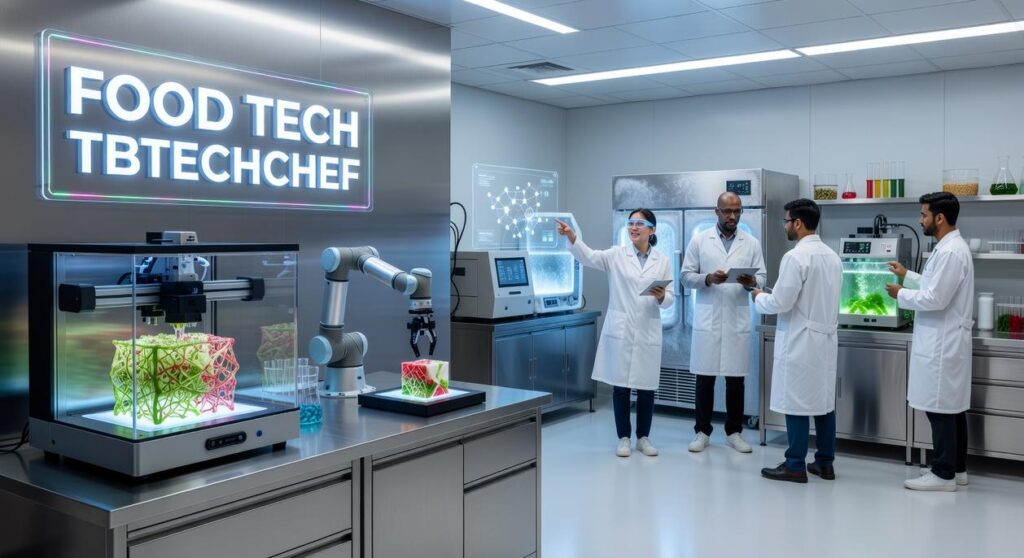
I’ve tested more kitchen gadgets than I care to admit over the years. Most of them end up in a drawer.
You’re probably tired of cooking the same meals the same way. You want better results but you’re not sure which tech is worth the money and which is just clever marketing.
Here’s the truth: food tech is finally catching up to what home cooks actually need. Not gimmicks. Real tools that change how you cook.
I spend my time at tbtechchef putting these devices through real kitchen tests. I’m talking about weeks of daily use, not unboxing videos and first impressions.
This article shows you which food technology trends matter right now. The ones that will make you cook better, waste less, and actually enjoy the process more.
You’ll see what works in a real kitchen (mine) and what doesn’t. I’ll explain how each piece of tech fits into your cooking routine and whether it’s worth the counter space.
No hype. No affiliate pushing. Just what I’ve learned from actually using this stuff to make dinner every night.
Trend 1: The Fully Integrated Smart Kitchen Ecosystem
I remember when smart kitchen gadgets first showed up.
You’d buy a connected coffee maker. Then maybe a smart scale. Each one needed its own app. None of them talked to each other.
It was a mess.
That’s changing now. And it’s happening faster than most people realize.
The shift isn’t about buying more gadgets anymore. It’s about getting devices that actually work together. A real ecosystem where your appliances communicate without you having to play middleman.
Here’s what that looks like in practice.
Your smart fridge scans what’s inside (milk, eggs, some leftover chicken). It notices you’re running low on vegetables. Then it sends a recipe suggestion to your tablet based on what you actually have. You pick one. The recipe goes straight to your oven, which preheats to the exact temperature you need.
You didn’t open three different apps. You didn’t manually enter anything.
The system just handled it.
I tested this setup for two months last spring. The difference wasn’t just convenience. It was mental space. I stopped worrying about whether I preheated the oven or if I had the right ingredients.
That’s the real benefit here. Less cognitive load means you can focus on the parts of cooking you actually enjoy.
But here’s where people mess up.
They buy the first smart appliance they see without thinking about compatibility. Six months later, they want to add another device and find out it won’t connect.
Before you invest, ask about Matter support. It’s the new standard that lets different brands work together. If a device doesn’t support it, think twice.
The food tech Tbtechchef space is moving toward full integration. You want to be ready for it.
Trend 2: AI-Powered Precision and Guided Cooking
I’ll be honest with you.
When I first saw ovens with cameras inside them, I rolled my eyes. Hard.
Another gadget trying to solve a problem that doesn’t exist, right? But then I actually used one. And I had to eat my words (pun intended).
These AI-powered ovens don’t just sit there looking pretty. They watch your food. They identify what you’re cooking. A chicken breast looks different from a pork chop, and the system knows it.
Some people argue this takes the soul out of cooking. That relying on technology means you’re not really learning. That a real cook should just know when something’s done.
I hear that argument a lot.
But here’s my take. Knowing your food is ready because a camera told you versus pulling it out too early and serving dry chicken? I’ll take the camera every single time.
The tbtechchef food tech from that bites approach isn’t about removing the human element. It’s about giving you information you literally cannot see with your own eyes.
Smart thermometers now predict resting times. They calculate carryover cooking. Try doing THAT with your grandma’s old meat thermometer.
Multi-zone induction cooktops let you keep a delicate beurre blanc at exactly 160°F while you sear a steak at high heat two inches away. The precision is wild.
And guided cooking platforms? They’re game changers for anyone learning new techniques. Step-by-step instructions that adjust in real time based on what’s actually happening in your pan.
This isn’t about replacing skill. It’s about having perfect data so you can build that skill faster and more consistently.
Trend 3: Digital Recipe Platforms and Hyper-Personalization
Your grandmother’s cookbook sat on the shelf gathering dust.
Mine too.
But here’s what’s different now. The recipes we use today don’t just sit there waiting. They adapt to what’s actually in your fridge.
I’m talking about apps that scan your pantry and tell you what you can make tonight. No grocery run required.
According to a 2023 study by the International Food Information Council, 67% of home cooks now use digital recipe platforms at least once a week. That’s up from 41% just three years ago.
The shift makes sense when you see what these platforms can do.
The End of One-Size-Fits-All Recipes
Static cookbooks gave you a recipe. Take it or leave it.
Digital platforms? They morph based on what you need.
I tested this myself last month. I had chicken, bell peppers, and some random spices. Plugged them into an AI-driven recipe app and got four different dinner options in seconds. Each one used exactly what I had.
No substitutions needed. No extra shopping.
That’s the real change here. These apps don’t just store recipes. They generate new ones based on your actual ingredients.
Your Diet, Your Rules
But what if you’re vegan? Or gluten-free? Or cooking for someone with a nut allergy?
Modern recipe platforms handle this without breaking a sweat.
I’ve watched these apps take a traditional lasagna recipe and convert it to vegan in real time. They swap the cheese, adjust the baking time, and recalculate the nutrition info. All in about five seconds.
A 2024 report from food tech Tbtechchef showed that recipe customization features increased user engagement by 83%. People stick with platforms that work around their restrictions instead of forcing them to figure it out themselves.
You can also adjust portion sizes on the fly. Cooking for one instead of four? The app does the math. Want it spicier? It bumps up the heat and suggests which peppers to add.
Digital Recipe Hacks That Actually Save Time
Here’s where things get practical.
Most platforms now connect your recipes to shopping lists. You pick three dinners for the week and the app builds your grocery list automatically. It even groups items by store section (because wandering around looking for tahini is nobody’s idea of fun).
I use this feature every Sunday. Cuts my planning time from 45 minutes to maybe 10.
Some apps track your cooking history too. They notice you make Thai food twice a month and start suggesting similar cuisines. Vietnamese. Malaysian. Korean.
It’s like having a friend who actually remembers what you like.
The Future of Flavor
The next wave is already here.
Apps are starting to act like culinary advisors. They suggest ingredient pairings you wouldn’t think of on your own. Strawberries with black pepper. Chocolate with olive oil.
According to research from MIT’s Media Lab, AI-powered flavor pairing tools can predict successful combinations with 74% accuracy by analyzing molecular compounds.
These platforms are getting better at understanding why certain flavors work together. They’re not just guessing. They’re using data from thousands of recipes and actual chemical analysis.
I tried one last week that suggested adding coffee to my chili. Sounded weird. Tasted incredible.
That’s where Smart Kitchen Tbtechchef technology is headed. Not replacing your instincts but expanding what you think is possible.
The cookbook isn’t dead. It just learned to think.
Trend 4: Sustainable Tech for the Eco-Conscious Kitchen
I opened my fridge last Tuesday and found a container of strawberries I’d completely forgotten about.
They were fuzzy. Beyond saving. And I felt that familiar guilt wash over me.
Here’s what bugs me about sustainability advice. People act like you need to become some zero-waste warrior overnight. Like if you’re not composting every scrap and measuring your carbon footprint, you’re part of the problem.
That’s not realistic. And honestly, it’s why most of us give up before we start.
But I’ve been testing something different. Tech that actually makes the sustainable choice the easy choice.
Smart food storage systems changed how I shop. My current setup tracks what’s in my fridge and sends me a notification when things are about to go bad. No more mystery containers in the back. No more throwing away produce I forgot existed.
The vacuum-sealing tech I use now? It’s not the clunky expensive stuff from five years ago. It’s compact and actually works without making me feel like I’m preparing for the apocalypse.
Then there’s composting.
I used to think composting meant keeping a smelly bucket under my sink for months. Turns out automated kitchen composters exist now that turn scraps into usable fertilizer in under 24 hours. Mine sits on my counter and doesn’t smell like a dumpster (which honestly surprised me).
Some of the newer food tech tbtechchef innovations go even further. I’ve got a blender that’s specifically designed to turn vegetable peels into powders. Carrot top seasoning is actually pretty good. Who knew?
Energy efficiency matters too, even if it sounds boring.
I switched to an induction cooktop last year. The difference in my electric bill was noticeable within the first month. Induction wastes less heat because it only heats the pan, not the air around it. My kitchen stays cooler in summer.
Smart dishwashers now figure out how dirty your dishes are and adjust water usage accordingly. Mine uses about 30% less water than my old one did.
Here’s what I’ve learned.
Sustainability in the kitchen isn’t about guilt or perfection. It’s about designing a space where the right choice happens to be the convenient choice. Where technology does the heavy lifting so you don’t have to think about it every single time.
Your kitchen can save you money and reduce waste. Those two things aren’t opposites.
Embrace Your Role as a Tech-Enhanced Chef
You’ve just walked through the four trends that are changing how we cook.
Integrated ecosystems. AI-powered precision. Hyper-personalized recipes. Sustainable kitchen tech.
These aren’t buzzwords. They’re real solutions to the frustration you’ve been feeling in your kitchen.
Inconsistent results. Wasted food. Recipes that don’t quite work for you.
I get it because I’ve been there too.
These technologies give you something you might not have had before: control. You can cook with confidence and creativity without the guesswork that leads to throwing out another failed dinner.
Your kitchen becomes smarter. You become more capable.
Here’s what I want you to do: Start small. Pick one area that bugs you most. Maybe it’s the food waste piling up in your trash. Try a smart storage solution. Or maybe you want better results when you cook. Test out a guided recipe on tbtechchef.
You don’t need to overhaul everything at once.
One change can show you what’s possible. The future of food isn’t some distant thing. It’s happening right now in kitchens like yours.
Take that first step and see what happens.