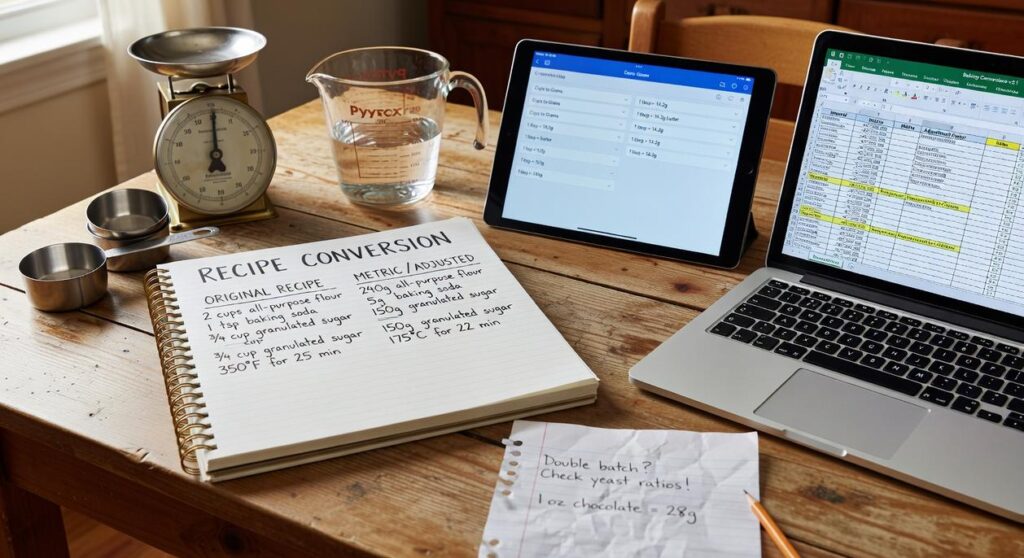
Cooking is evolving faster than ever, blending culinary creativity with smart technology that transforms how we prepare, measure, and experience food. If you’re searching for practical ways to integrate tech into your kitchen—whether through smart appliances, connected gadgets, or seamless digital recipe conversion—this article is designed to give you clear, actionable insights.
Many home cooks and food enthusiasts struggle to keep up with rapidly advancing kitchen innovations. From app-synced thermometers to AI-powered meal planning tools, it can be overwhelming to know what’s worth your time and investment. Here, we break down the most impactful tech-enhanced cooking methods, explore smart kitchen integrations that actually improve efficiency, and share digital recipe hacks that simplify everyday cooking.
Our approach is grounded in hands-on testing, in-depth research into emerging food tech, and analysis of real-world kitchen applications. By the end, you’ll understand how to confidently upgrade your culinary workflow using modern tools that genuinely enhance flavor, precision, and convenience.
From STAINED notecards to SMART screens, recipes deserve better preservation. Many people assume scanning a card is enough, but that’s only part of the process. digital recipe conversion means turning text into searchable, editable, and shareable files. In simple terms, you’re transforming paper into structured data. WHY does that matter? Because structured data lets apps sort by ingredient, scale servings, or set timers.
- Scan or photograph
- Use OCR (Optical Character Recognition)
- Organize in a cloud app
Finally, think of it like upgrading from a flip phone to smartphone (yes, it feels that dramatic). Your history stays SAFE, searchable, and ready.
A Kitchen Library That Can’t Burn Down
A digital cookbook is less like a stack of recipe cards and more like a cloud-based vault for your culinary life. Paper can smudge, scorch, or vanish in a move (we’ve all lost at least one legendary pie recipe). But digital files are backed up, synced, and disaster-proof—like storing your grandmother’s lasagna instructions in a culinary Fort Knox.
Think of it as upgrading from a bicycle to a GPS-equipped car. With universal access, your recipes travel with you. At the store, you can double-check ingredient amounts. At the counter, your tablet becomes a sous-chef that never forgets the salt.
It also transforms how you share food memories:
- Send a clean, readable recipe in seconds.
- Avoid blurry photo texts of faded handwriting.
- Keep formatting intact and frustration low.
And here’s where it gets futuristic (in a Jetsons-kind-of-way): dynamic tools let you perform digital recipe conversion instantly—scaling servings, switching units, or adding notes without touching the original. It’s like writing in pencil on a protected masterpiece.
Some argue paper feels more “authentic.” Fair. But authenticity isn’t erased by convenience; it’s preserved by it. A digital cookbook isn’t just an archive. It’s a living, adaptable kitchen companion.
Choosing Your Digital Kitchen: Recipe Apps vs. Simple Files
When deciding how to organize your recipes, you’re essentially choosing between a specialized kitchen assistant and a blank digital notebook. Both work—but they serve different cooks.
Dedicated Recipe Management Apps
Apps like Paprika, Pestle, and AnyList are built specifically for cooking workflows. According to Statista, over 60% of smartphone users regularly use apps for food planning or grocery management, reflecting a clear shift toward app-based organization.
Pros:
- Built-in meal planning calendars
- Automated grocery lists synced to recipes
- Web importing tools that clean formatting instantly
- Hands-free cooking modes (ideal when your fingers are covered in flour)
These tools often include digital recipe conversion features that automatically adjust ingredient quantities—particularly useful for scaling meals up or down. (No more mental math mid-sauté.)
Cons:
- Subscription or one-time fees
- Short learning curve while setting up categories and tags
Critics argue you don’t need a paid app when free tools exist. That’s fair—especially for casual cooks. But research from McKinsey shows automation tools can save users up to 30% of task time in repetitive workflows. In meal prep, that adds up.
General Note-Taking & Document Tools
Google Docs, Evernote, and Notion offer flexibility and cost savings.
Pros:
- Often free
- Fully customizable layouts
- Easy sharing and cloud backups
Cons:
- No built-in culinary automation
- Manual organization required
If you’re already exploring using ai tools to personalize weekly meal plans, a structured recipe app may integrate more seamlessly.
The Deciding Factor: Want automation and efficiency? Choose a dedicated app. Prefer total control and simplicity? Start with documents—and upgrade later if needed.
Your Blueprint for Recipe Conversion: A Step-by-Step Guide

If you’re serious about preserving your kitchen legacy, don’t just snap random photos and call it done. Take a structured approach.
Step 1: Gather and Curate
Pull every handwritten card, cookbook margin note, and printed sheet into one place. Then be honest. If you haven’t made it in ten years and no one asks for it, let it go. Keep the recipes that spark memory or deliver consistent results (yes, even that slightly chaotic brownie recipe). Recommendation: Create three piles—Keep, Test Once More, Archive for Sentiment.
Step 2: Create a Digital Image
Use a scanner or a smartphone scanning app like Adobe Scan or your phone’s built-in notes scanner. Capture clean, well-lit images. This preserves handwriting, stains, and all—the culinary equivalent of saving vinyl instead of just streaming the album.
Step 3: Transcribe and Standardize
This is the backbone of effective digital recipe conversion. Type each recipe into your chosen app or document. Clarify vague instructions: change “bake until done” to “bake at 375°F for 25–30 minutes.” Standardize measurements—write “tablespoon” instead of “TBSP” for consistency. Define yield clearly (yield means how many servings a recipe produces). Your future self will thank you.
Step 4: Tag for Searchability
Add smart tags like “dessert,” “chicken,” “quick weeknight,” “holiday,” or “vegetarian.” Tags are searchable keywords that make retrieval instant. Recommendation: Include at least three tags per recipe for best results.
Done right, you’re not just organizing—you’re building a searchable, future-proof kitchen archive.
Level up your digital recipe game with a few upgrades I swear by.
- Add your own photos. Nothing beats seeing the actual dish you made; it keeps expectations honest and progress visible.
- Embed instructional links. When a step gets tricky, a quick video saves frustration (and dinner).
- Use smart notes. Track swaps, oven quirks, and stellar pairings; future you will be grateful.
I am a huge fan of digital recipe conversion because scaling servings instantly prevents math mistakes. Some argue pen-and-paper feels more authentic, but convenience wins in real kitchens. Pro tip: back everything up to cloud.
Your handwritten cards and stained cookbooks deserve better. Fortunately, you can secure them with a simple system. Start by choosing one cherished dish and photograph or scan it clearly. Next, perform digital recipe conversion to turn that image into searchable text. Then, tag it by cuisine, occasion, or main ingredient so retrieval takes seconds, not minutes.
Admittedly, some cooks prefer paper. However, paper burns, fades, and gets lost. A searchable archive doesn’t. So begin small this week. Once you experience the ease, you’ll want to preserve every family favorite. Future you will thank you for the foresight. And saved time.
Elevate Every Meal with Smarter Kitchen Innovation
You came here to discover how culinary pulse and smart kitchen innovation can transform the way you cook—and now you’ve seen how tech-enhanced methods, device integration, and digital recipe conversion can streamline your process and elevate every dish.
Modern cooking isn’t just about flavor anymore. It’s about precision, efficiency, and eliminating the frustration of inconsistent results, wasted ingredients, and outdated techniques. When your tools, devices, and recipes work together seamlessly, you spend less time troubleshooting and more time creating.
The next step is simple: start integrating smart kitchen solutions that remove guesswork and automate the complex parts of cooking. Explore connected devices, experiment with advanced features, and embrace digital recipe conversion to ensure every measurement, temperature, and timing adjustment works in your favor.
If you’re tired of juggling disconnected tools and recipes that don’t adapt to your needs, now is the time to upgrade your kitchen intelligence. Join thousands of forward-thinking home chefs who are transforming their cooking experience with tech-driven precision. Start optimizing your kitchen today and turn every meal into a flawlessly executed masterpiece.