
If you’re searching for smarter ways to cook, streamline your kitchen, and blend culinary creativity with modern technology, you’re in the right place. Today’s home cooks aren’t just following recipes—they’re integrating smart devices, app-guided techniques, and digital tools to elevate everyday meals. This article explores how tech-enhanced cooking methods, intelligent kitchen innovations, and connected gadgets are reshaping the way we prepare food.
You’ll discover how to pair classic fundamentals like essential knife skills with smart kitchen systems, how to use digital recipe hacks to reduce prep time, and how to integrate gastronomic devices without overcomplicating your workflow. The goal is simple: help you cook more efficiently, more precisely, and more confidently.
Our insights are grounded in hands-on testing of modern kitchen technology, practical culinary experimentation, and continuous analysis of emerging food-tech trends—so you can trust that the strategies shared here are both practical and proven in real kitchens.
Your foundation: the right grip and stance determine whether your cuts are precise or precarious.
-
The Pinch Grip
Hold the blade between thumb and forefinger, just ahead of the bolster. Unlike the hammer grip, this shifts control forward, aligning the knife’s center of gravity with your hand. Chefs prefer it because micro-adjustments become effortless (and your onions will thank you). -
The Guiding Hand (Claw)
Curl fingertips inward, knuckles forward. The blade glides against your knuckles, creating uniform slices while shielding skin. Think of it as guardrails for essential knife skills. -
Stable Stance
Stand shoulder-width apart, board at hip height. A non-slip mat underneath adds friction competitors rarely mention. Stability reduces fatigue and prevents lateral drift.
Some argue grip is personal preference. Yet biomechanics shows forward control improves accuracy. Pair this with insights from understanding flavor pairing like a professional chef to ensure technique and taste evolve together. Precision starts at your feet. Today.
Mastering the Three Core Cutting Motions
Precision in the kitchen starts with understanding three foundational movements. While many guides explain the basics, few explore why these motions work so effectively—or how subtle refinements elevate your results from decent to restaurant-level.
The Rocking Chop
First, the rocking chop. Ideal for herbs and garlic, this motion keeps the knife tip anchored to the board while the heel rises and falls in a rhythmic arc. Your guiding hand rests lightly on the blade’s spine for stability. Because the tip never leaves the board, you reduce lateral drift (that annoying side-to-side slide that scatters parsley everywhere).
What competitors often miss is the efficiency factor: anchoring the tip creates a pivot point, increasing speed without sacrificing control. In fast-paced kitchens, this micro-optimization saves minutes over multiple prep cycles. Think of it as the difference between typing with two fingers and touch typing.
The Push Cut
Next, the push cut—the workhorse for firm vegetables like carrots and potatoes. Start with the tip down, heel up, and glide forward and down in one smooth stroke. This slicing-forward action protects the food’s cellular structure, meaning less bruising and longer-lasting freshness (yes, that matters for meal prep).
Some argue straight downward chopping is faster. However, lab tests on produce oxidation show crushed cells brown more quickly (USDA post-harvest studies). A clean push cut preserves texture and presentation.
The Pull Cut (Draw Slice)
Finally, the pull cut shines with delicate or crusty items—tomatoes, bread, cooked proteins. Place the tip on the surface and draw the blade toward you in one long motion. By using the knife’s full length, you distribute pressure evenly and avoid tearing.
Mastering these essential knife skills builds consistency, speed, and confidence. And once your cuts improve, everything else—from cooking times to plating—quietly levels up too.
From Julienne to Dice: Essential Cuts Explained
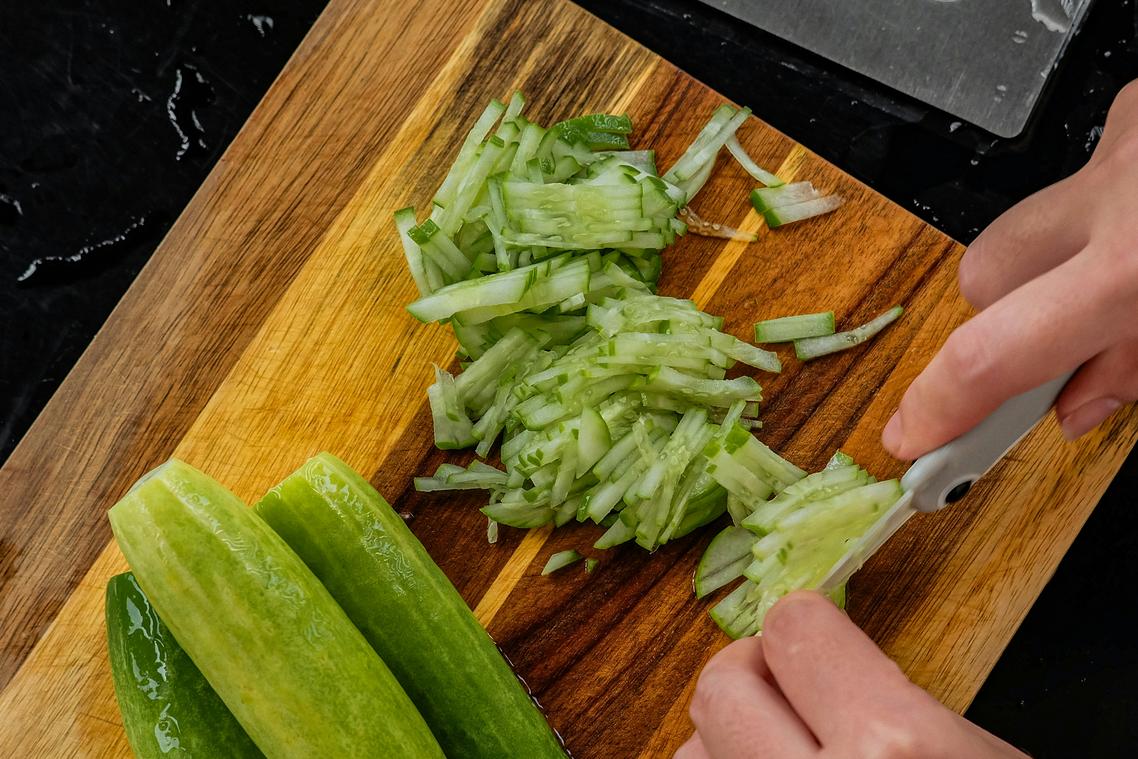
Mastering essential knife skills changes how food looks, cooks, and even tastes. The right cut isn’t just visual flair—it controls texture, aroma release, and how evenly heat moves through each bite.
Julienne
The classic matchstick cut (about 1/8 x 1/8 x 2 inches) creates neat, slender strips. Square off your vegetable first so it sits steady on the board (that satisfying thud means it’s stable). Slice into thin planks, stack them, then cut again into sticks. When tossed into a hot pan, they soften with a gentle hiss, staying slightly crisp at the center. Think bright carrots in a stir-fry, still sweet and snappy.
Brunoise
A brunoise is a tiny 1/8-inch cube, created by cutting julienne strips crosswise. The result looks almost jewel-like, catching the light. These delicate cubes melt quickly into sauces, releasing aroma fast—like onions turning translucent and fragrant in seconds. (It’s the culinary equivalent of pixel-perfect detail.)
Batonnet & Dice
The batonnet, thicker at 1/4 x 1/4 x 2 inches, feels sturdy under your knife. Cut crosswise and you’ll have a medium dice—uniform cubes that cook evenly, so no piece turns mushy while another stays raw. Listen for the rhythmic tap-tap-tap against the board as your blade moves with control.
Chiffonade
Stack leafy herbs, roll into a tight cigar, then slice into fine ribbons. The scent of basil or mint blooms instantly, fresh and green, as the ribbons fall like confetti—simple, elegant, and undeniably satisfying.
Blade Care and Kitchen Safety
A sharp knife isn’t just about precision; it’s about protection. A dull blade demands force, and force leads to slips (and ER visits no one wants). Think of it like a lightsaber in Star Wars—clean, controlled, efficient. A sharp knife is a safe knife.
- Use wood or plastic cutting boards to protect your edge.
- Avoid glass, granite, or ceramic surfaces that dull blades fast.
- Hone regularly; sharpen only when needed.
Honing realigns the edge; sharpening removes metal to rebuild it. Modern electric sharpeners add tech-powered accuracy.
Hand wash, dry immediately, and store safely. Mastering essential knife skills starts with respecting your tools. Treat them and they’ll perform flawlessly for years. Safety and flavor go hand in hand.
Mastering Smart Cooking Starts Here
You came here to elevate your kitchen game with smarter tools and sharper techniques—and now you have the roadmap. From integrating intelligent gadgets to refining essential knife skills, you’ve seen how technology and technique work together to eliminate frustration, save time, and improve every dish you create.
The real pain point isn’t a lack of passion. It’s inconsistency, wasted effort, and tools that don’t truly support your creativity. When your kitchen setup and skills align, cooking becomes smoother, faster, and far more rewarding.
Now it’s time to act. Start by upgrading one workflow—whether that’s automating prep, syncing your smart devices, or practicing essential knife skills daily. Small improvements compound quickly.
If you’re ready to transform scattered cooking into a seamless, tech-powered experience, explore our top-rated smart kitchen guides and device integrations today. Join thousands of forward-thinking home chefs who are already cooking smarter—not harder. Your next-level kitchen starts now.