
The way we cook is changing fast. From smart appliances to app-connected gadgets and precision tools, technology is transforming everyday meals into elevated dining experiences. If you’re searching for practical ways to blend innovation with creativity in the kitchen, this article delivers exactly that—clear insights into tech-enhanced cooking methods, smart kitchen innovations, and seamless gastronomic device integration that actually work in real homes.
We explore how digital recipe hacks, intelligent tools, and modern food plating techniques can help you cook smarter, plate beautifully, and save time without sacrificing flavor. Whether you’re upgrading your kitchen setup or simply curious about optimizing your workflow, you’ll find actionable strategies grounded in hands-on testing and deep analysis of emerging culinary tech.
Our goal is simple: cut through the hype and show you what truly improves your cooking experience—so you can create meals that look impressive, taste exceptional, and make the most of today’s smartest kitchen solutions.
Turn Simple Meals into Visual Masterpieces
We eat with our eyes first, which means presentation shapes flavor before the first bite. When you apply professional food plating techniques, even a weeknight pasta can look restaurant-worthy. That translates into more confident hosting, more Instagram-worthy moments, and yes, more enjoyment at the table.
Moreover, thoughtful plating improves portion control and balance, guiding how guests experience each component. Techniques like color contrast, height, and negative space (the empty area that frames your dish) create focus and elegance. The result? Meals that feel intentional, memorable, and worth savoring.
Mastering the Canvas: How to Choose the Right Plate
Choosing the right plate is less about preference and more about positioning. Think of it as A vs. B.
Plate Color and Contrast
White plates vs. black plates: white acts as negative space—the empty area around food that frames and highlights it—making colors pop like a food magazine spread. Dark plates, on the other hand, create dramatic contrast, especially for pasta, scallops, or cheesecake. (Ever notice how fine-dining spots love matte black for seared fish?)
Shape and Size Matter
- Large round plates: make standard portions look refined and intentional.
- Small plates: can unintentionally signal scarcity.
- Square or unconventional shapes: modern and bold, but tricky for saucy dishes.
Some argue plate size manipulates perception. True—but that’s the psychology behind effective food plating techniques.
Material and Temperature
Ceramic feels classic; slate feels edgy; wood feels rustic. Pro tip: warm plates in a smart oven for hot dishes or chill them for salads to preserve temperature integrity.
The Architecture of Appetite: Creating Structure and Flow
Great plating isn’t luck—it’s structure. When you understand a few foundational food plating techniques, your dishes instantly look more intentional, refined, and restaurant-worthy (yes, even on a Tuesday night).
The Rule of Odds
The Rule of Odds is a classic design principle: arrangements of 1, 3, or 5 elements feel more dynamic than even numbers. Three scallops feel curated. Four can feel crowded. Odd numbers create movement and visual intrigue—your eye keeps exploring instead of stopping abruptly. The benefit? Plates that look balanced without feeling stiff.
Create Height and Layers
Flat food falls flat. Start with a base (like a silky purée), stack your protein, and gently lean vegetables or crisps against it. Height adds drama and dimension. It signals confidence. (Think less cafeteria tray, more culinary magazine spread.)
Pro tip: Use a ring mold for clean vertical builds.
Clock Placement Guide
If you’re unsure where things go, use this foolproof layout:
| Position | Component |
|———–|————|
| 10 o’clock | Carbs |
| 2 o’clock | Vegetables |
| 6 o’clock | Protein |
This structure creates balance and instantly improves flow.
Find a Focal Point
Every plate needs a star. Let the protein or most vibrant element command attention first. Supporting elements should frame—not compete.
Want better sauces to anchor your base? Explore mastering sauce foundations from roux to reductions.
A Symphony of Color and Texture
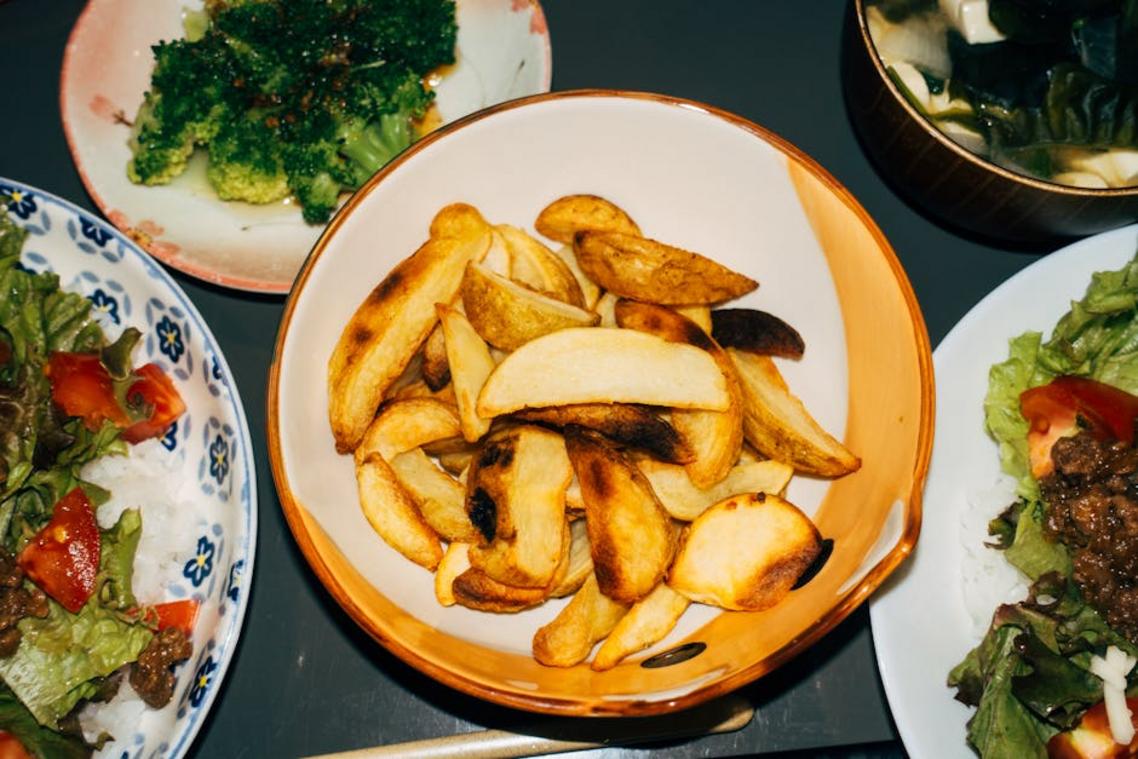
Think of your plate as a concert stage. Color is the orchestra, and when it’s out of tune, the whole performance falls flat. Harnessing color theory means moving beyond “add something green.” Pair complementary colors—like orange salmon against bright green asparagus—to create visual vibrancy. In contrast, a monochromatic plate (imagine varying shades of beet) whispers elegance instead of shouting for attention. Like a well-composed photograph, balance makes the eye linger.
However, critics argue flavor matters more than appearance. True—but we eat with our eyes first (studies in food psychology support this). Therefore, preserving color is preserving appetite. Tech-enhanced methods like sous-vide act like a color-lock setting on a washing machine, protecting chlorophyll from the dull fade caused by over-boiling.
Meanwhile, texture is your rhythm section. Smooth purées, crunchy toasted nuts, and tender braised meats create contrast that keeps each bite interesting. Without variation, a dish feels one-note—like a song stuck on repeat.
Finally, garnishes should be supporting actors, not random extras. Skip the limp parsley. Choose microgreens, edible flowers, flaky salt, or a drizzle of quality oil—elements that add flavor or crunch. Master these food plating techniques, and your plate won’t just serve dinner; it will perform.
The Modern Chef’s Toolkit: Precision Saucing and Placement
Great plating is no longer reserved for restaurant kitchens. With the right tools, PRECISION becomes repeatable at home.
Squeeze bottles vs. spoons: A spoon can drizzle sauce—but a squeeze bottle delivers controlled dots, lines, and intricate patterns. If you want clean circles instead of abstract-expressionist splashes (unless you’re channeling Jackson Pollock), the bottle wins.
Plating tweezers vs. fingers: Fingers are fast. Tweezers are exact. When placing microgreens or chili threads, tweezers prevent bruising and keep spacing intentional.
Offset spatula vs. butter knife: Both spread purée, but only the offset spatula creates that flawless swoosh with even pressure.
Saucing Techniques
- The “swoosh” or “smear” using the back of a spoon for bold movement
- Controlled dots and geometric lines with squeeze bottles
- The light “drizzle” for oils and thin sauces
Digital Recipe Hacks
A digital scale ensures each component weighs the same every time. 30 grams of grain vs. 45 grams changes balance dramatically. CONSISTENCY equals control.
Molds and Rings
Plating rings shape grains, salads, or tartare into sharp cylinders instantly. Freehand stacking can look rustic; rings look refined.
Mastering these food plating techniques transforms simple meals into composed dishes—no culinary degree required.
Your Plate is a Canvas: Start Creating with Confidence
You’ve mastered flavor—now it’s time to master presentation. When you treat your plate like a canvas, something shifts. Dinner stops feeling routine and starts feeling intentional. And that confidence? It shows.
First, you gain visual impact. By applying principles like color contrast, height variation, and flow (how the eye naturally moves across a plate), your meals instantly look more refined. Think of it as plating with purpose instead of habit. Even using the rule of odds can make a dish feel balanced yet dynamic—because oddly grouped elements are more visually appealing than even ones (a design principle backed by visual psychology research).
Moreover, better presentation elevates perceived taste. Studies show we “eat with our eyes” first, meaning beautiful food actually enhances flavor expectations.
So start small. Try one technique tonight. As you build skill, you’ll notice more pride, more creativity, and yes—more compliments (the kind that make you pretend it was effortless).
Elevate Every Dish with Purpose and Precision
You started this journey to master smarter cooking, elevate presentation, and make technology work seamlessly in your kitchen. Now you understand how tech-enhanced tools, smart integrations, and digital recipe hacks can transform not just how you cook—but how your food looks and feels on the plate.
The real frustration was never just about cooking. It was about inconsistency, wasted time, and dishes that didn’t match your vision. By combining innovation with intentional food plating techniques, you’re no longer guessing—you’re designing experiences.
But inspiration only works if you act on it.
If you’re ready to turn uneven results into restaurant-level execution, start applying one smart kitchen upgrade and one plating improvement today. Explore our expert-backed guides, tested integrations, and top-rated techniques trusted by thousands of modern home chefs.
Stop settling for average meals. Upgrade your kitchen strategy now and create dishes that look as incredible as they taste.