
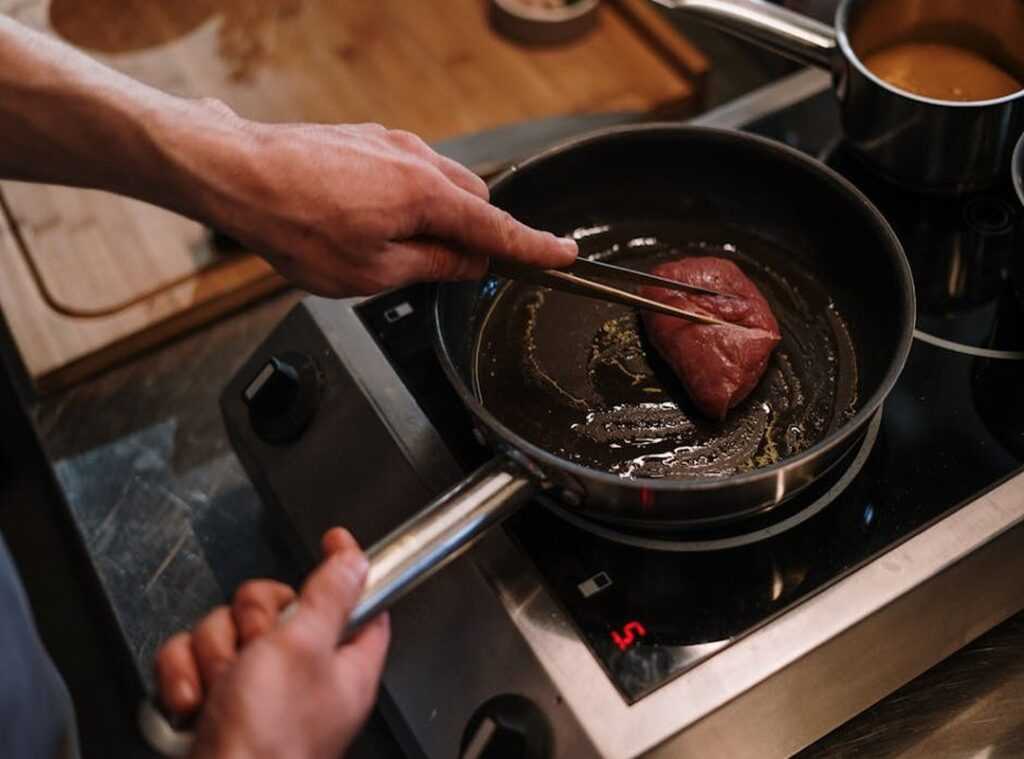
Craving perfect meals but tired of messing up the timing or temperature? You’re not alone. Cooking can feel like a guessing game, but precision cooking induction is changing that.
This isn’t just another kitchen gadget. It’s a game-changer (there, I said it) for anyone who cares about getting it right every time. I know, because I’ve tried it.
Why trust me? I’ve been around the block with all sorts of smart kitchen tech. Trust me, this one actually works.
Imagine searing a steak just right or cooking delicate fish without turning it to mush. Sounds good, right?
You’ll learn how this tech works, why it matters, and how it can transform your cooking. We’re not just talking theory here. We’ll dig into real-world applications, showing you how to raise your meals with precision.
So, ready to cook like a pro? and explore how you can make your kitchen smarter.
Medium-Low: The Stove’s Big Lie
Ever wonder why your delicate sauces split or your garlic turns to charcoal in seconds? It’s not you. It’s your stove.
Electric radiant or coil cooktops are notorious for their on-off cycle, a design flaw that plays havoc with temperature control. Think of it like a thermostat that overshoots and undershoots the target by a mile. The result?
Wild swings in heat that sabotage any attempt at consistency.
With gas cooktops, you’d think the problem would be solved. But no. Gas flames are notorious for heating the air and sides of the pan instead of the food.
Those flames create hot spots and make a consistent pan surface temperature nearly impossible to maintain. Have you ever noticed a half-burned, half-raw pancake? That’s your gas stove in action.
These heating quirks of traditional stoves can ruin a dish faster than you can say “dinner’s ready.” You need precision, not guesswork, especially if you’re into precision cooking induction. This cooking style requires stable, even heat, which traditional stoves can only dream of providing. Imagine trying to poach an egg gently, only to have it hard-boiled because your “medium-low” was actually a rollercoaster of temperatures.
I’ve seen friends curse their cooking skills when the real culprit was the stove. It’s time to stop blaming yourself for the failures and start questioning your tools. If you’re intrigued by the potential of mastering new cooking techniques, like this guide on molecular gastronomy, you’ll need equipment that matches your ambition.
Let’s face it, traditional stoves just don’t cut it.
The Heat Revolution: Precision Cooking Induction
Cooking with induction feels like magic. Imagine this: an electromagnetic field that makes your pan the heat source. That’s right, the pan itself heats up, not the surface underneath.
It’s wild, but it’s how induction works. The energy transfer is instant and direct, making it fast and precise. Ever tried to control a gas stove on high?
It’s like flooring a car’s accelerator. With induction, it’s more like setting cruise control to exactly 65 mph.
Now, let’s talk about precision cooking induction. Basic models give you power levels from 1 to 10, but true precision comes from integrated sensors. These sensors, like infrared thermometers, measure your pan’s temperature in real-time.
Why does that matter? Because it creates a feedback loop. The cooktop constantly checks the pan’s heat, compares it to the desired temperature (say, 250°F), and tweaks the power to keep it steady.
That’s control you can rely on.
Can you imagine what this means for your cooking? No more guessing if your pan is hot enough for that perfect sear. The cooktop does the thinking for you.
It’s like having a sous chef in your kitchen. And it’s not just about convenience. It’s about the quality of your food.
When you can hold a precise temperature, you can achieve textures and flavors that are otherwise hard to find.
The tech behind it might sound complex, but using it isn’t. You set your temperature, and the cooktop takes care of the rest. It’s a game-changer for anyone serious about cooking.
So, is it worth it? Absolutely. Once you try it, there’s no going back.
Want to learn more about this tech-driven culinary art? Check out precision cooking and see how it can transform your kitchen experience.
Induction isn’t just another cooking method. It’s a revolution in precision and control.
From Searing to Simmering: Culinary Triumphs Now Within Reach
Cooking isn’t just about the process; it’s about the magic that happens when you shift from the “how” to the “wow.” With precision cooking induction, I’ve turned my kitchen into a playground of possibilities. Imagine tempering chocolate directly in the pan. No more wrestling with a double boiler.
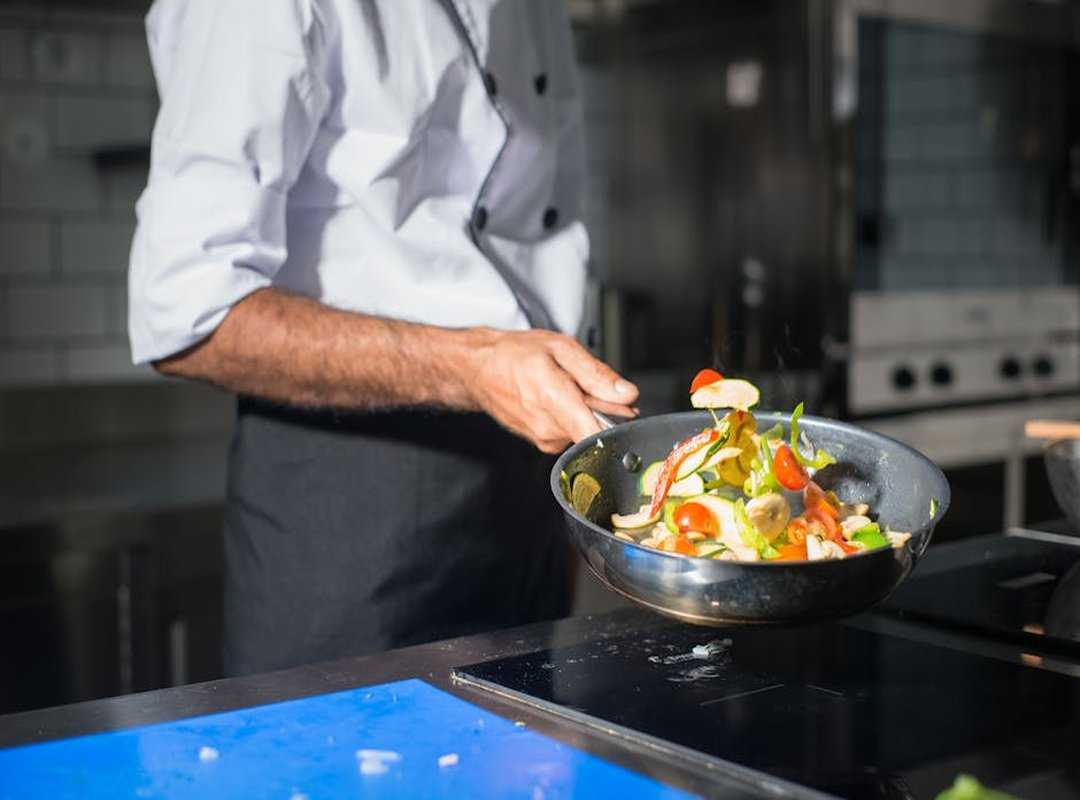
You hold it at a perfect 88°F, and voilà, it’s silky and smooth.
Ever tried deep frying at home and ended up with a soggy mess? I have. But setting the oil to 375°F and letting the cooktop maintain it makes all the difference.
The food comes out crispy, not greasy. The temperature stays stable when you add the food. This is how fried chicken dreams are made.
Let’s talk about the hard to find sous-vide technique. Imagine a “pan sous-vide” or perfect confit. Holding a duck leg in fat at a steady 200°F for hours transforms it into a tender masterpiece.
No need for fancy equipment. Just you, your pan, and a little patience.
And for those who crave a flawless sear on a scallop or steak? Picture the entire pan surface evenly heated. You get that perfect edge-to-edge sear every time.
No more hot spots or uneven cooking. This is how you impress at dinner parties.
For those still hesitant, don’t be. It’s about embracing the tech-enhanced kitchen. Dive into the ultimate guide air frying as another way to revolutionize your cooking adventures.
It’s a game-changer (trust me on this).
Cooking isn’t just a chore. It’s an experience, an art. With the right tools and techniques, you’re not just feeding yourself.
You’re creating memories, one dish at a time. So, are you ready to step up your kitchen game? I know I am.
Choosing Your Precision Cooktop: Features That Truly Matter
When you’re upgrading your cooktop, focus on what actually counts. Degree-specific control is a game-changer. It’s the difference between true precision and just having another induction cooktop. Imagine setting the temperature to exactly 212°F.
That’s control. It’s not just about boiling water. It’s about achieving that perfect poached egg or delicate sauce.
And here’s something not everyone considers: Temperature probe integration. This is your secret weapon for precision cooking induction. Using a wired probe?
Now, if your model doesn’t offer degree-specific settings, don’t panic. Look for the number of power increments. More increments mean finer control.
You get ultimate accuracy, especially in liquids. Think about making yogurt, candy, or even sous-vide. The probe tells you exactly what’s going on inside the pot.
A cooktop with 100 settings compared to 10? No contest. You’ll feel the difference, especially when simmering.
For the tech-savvy among us, smart features are tempting. App connectivity and guided cooking are cool. But are they important?
Not really. The core temperature tech should be your priority. Don’t get distracted by flashy features.
Stick to what matters.
Cook Like a Pro: Take Control in the Kitchen
Frustration in the kitchen? We’ve all been there. Unpredictable heat ruins meals, but you can change that with precision cooking induction.
It’s the real deal, letting you command every degree. Imagine not guessing, just cooking. This tech turns complex recipes into achievable feats for any home cook.
Feel the creativity, feel the consistency. Ready to transform your cooking game? Imagine the meals you could master.
Explore the possibilities. Dive into a world where you control the heat. Say goodbye to guesswork and hello to culinary confidence.
Check out precision cooking today and start cooking with certainty.
 Daniel Loseyowna serves as a lead innovator, specializing in the "digital hacks" and meta-shifts of modern cooking. He focuses on the integration of smart home logic and software-driven techniques that streamline meal preparation and skill development. By breaking down intricate gastronomic methods into actionable, tiered modules, Daniel empowers the Tbtechchef community to evolve their skills through experiential learning. His work ensures that every digital blueprint and tutorial is field-tested, turning the kitchen into a space of constant growth and technological mastery.