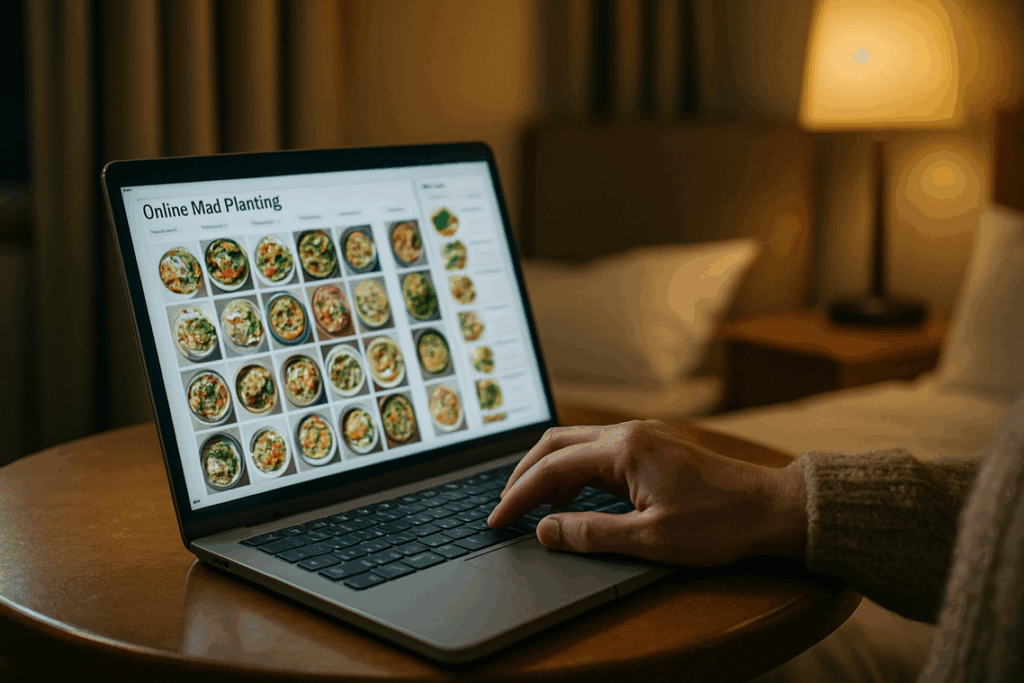
Smart kitchens are no longer a futuristic concept—they’re transforming how we plan, prep, and perfect every meal. If you’re searching for smarter ways to cook, streamline grocery shopping, or integrate technology into your culinary routine, this article delivers exactly that. We explore how ai meal planning tools, connected appliances, and digital recipe systems are reshaping modern cooking and making gourmet-level precision accessible at home.
From intelligent ingredient pairing to app-synced cooking devices, we break down the latest innovations and explain how they work in real kitchens—not just in theory. Our insights are grounded in hands-on testing of smart kitchen technology, in-depth research into emerging food tech trends, and analysis of real-world performance data.
By the end, you’ll understand which tools genuinely enhance efficiency, creativity, and flavor—and which are just hype—so you can build a kitchen ecosystem that works seamlessly for your lifestyle.
Reclaim Your Kitchen: How AI Is Solving the ‘What’s for Dinner?’ Dilemma
Every evening, the same question looms: what’s for dinner? Between meal planning, grocery runs, and juggling dietary needs, it’s exhausting (and yes, takeout temptation is real). Fortunately, ai meal planning tools are evolving into intelligent culinary assistants that learn your preferences, budget, and nutrition goals. Instead of just suggesting recipes, they build weekly plans, generate smart shopping lists, and even reduce food waste by using what’s already in your fridge.
So, what should you look for? Prioritize personalization, pantry tracking, and easy grocery integration. Choose one that fits your lifestyle—and finally enjoy cooking again.
From Guesswork to Gastronomy: The Tech Behind Smart Meal Planners
Last year, I stood in my kitchen at 6 p.m., staring at a fridge full of “ingredients” and absolutely no plan (we’ve all played that game). That’s when I first tried AI-based meal planning—systems that use machine learning (algorithms that learn patterns from data) to study your preferences, dietary needs, and past meals to generate tailored plans.
Unlike static recipe apps, which simply store instructions, AI adapts. Traditional planning is manual guesswork; AI evolves with you. The more you use ai meal planning tools, the better they predict what you’ll actually cook.
Here’s how it works:
- Input dietary restrictions (gluten-free, vegan)
- Set health goals (weight loss, muscle gain)
- Scan available ingredients (“pantry scan” features analyze what’s on hand)
The output? Not random recipes, but a cohesive weekly plan with a consolidated grocery list—like having a sous-chef who also handles logistics (and doesn’t judge your snack drawer).
Decoding the Digital Chef: Essential Features in a Modern Meal Planning App

A year ago, I stood in my kitchen staring at three zucchinis and a carton of oat milk, wondering how I’d managed to buy groceries with no actual plan (again). That frustration is what made me start testing modern meal planning apps more seriously.
First, personalization & dietary customization. This means the app lets you input allergies, intolerances, and structured eating plans like keto (low-carb, high-fat), paleo (whole-food focused), or low-FODMAP (reduces fermentable carbs that trigger gut issues). Without this, suggestions feel random. With it, the app becomes your digital sous-chef.
Next comes smart grocery list generation. The best platforms automatically convert your weekly plan into a categorized shopping list—produce, dairy, pantry—and even sync with delivery services. It sounds simple, but it eliminates decision fatigue (which, by the way, is a real psychological drain).
Then there’s ingredient & pantry management. Advanced systems track what you already own and recommend recipes to prevent spoilage. If you care about sustainability, explore digital pantry management for zero waste cooking. Pro tip: consistently logging items dramatically improves suggestions.
Of course, discovery matters. Great apps use a “taste profile,” meaning an algorithm learns from your ratings and feedback. The more you interact, the better it predicts meals you’ll love—like Spotify, but for dinner.
Finally, nutritional analysis breaks down macronutrients (protein, fats, carbs) and micronutrients (vitamins, minerals). Some argue that tracking is obsessive. Fair. But for athletes, busy parents, or anyone managing health goals, data-driven clarity beats guesswork. That’s where ai meal planning tools truly shine.
Find Your Perfect Fit: Matching AI Planners to Your Lifestyle
Choosing the right planner isn’t just about recipes—it’s about reality. After all, your schedule, goals, and taste buds don’t operate in a vacuum.
For the Busy Professional
If your calendar looks like a game of Tetris, prioritize tools built for speed. Look for meal plans featuring 30-minute (or less) recipes and seamless grocery delivery integration. These platforms sync ingredients directly to your cart, cutting decision fatigue in half. Some critics argue that “quick meals” sacrifice nutrition. Fair point—but many modern ai meal planning tools balance convenience with dietitian-backed guidance (Harvard T.H. Chan School of Public Health emphasizes planning as key to healthier eating habits). Pro tip: filter for batch-cooking options so tomorrow’s lunch is already handled.
For Families with Picky Eaters
Cooking for a household can feel like hosting a food-focused United Nations summit. The best apps allow multiple user profiles, merging preferences into one cohesive plan. Kid-friendly filters—think familiar flavors and customizable ingredients—reduce dinner-table drama. While skeptics say catering to picky eaters reinforces habits, gradual exposure through blended meal plans can increase acceptance of new foods (American Academy of Pediatrics).
For the Fitness Enthusiast
If your smartwatch knows more about your steps than you do, choose a planner that syncs with Apple Health or Fitbit. These tools auto-adjust macros (macronutrients: protein, carbs, fats) based on activity levels. It’s like having a nutrition coach in your pocket—minus the whistle.
For the Culinary Explorer
Finally, if you binge-watch travel food shows like they’re thrillers, opt for advanced discovery engines. Global cuisine filters, recipe imports, and save-from-anywhere features turn your kitchen into a passport stamp machine.
The Connected Palate: Integrating Your Plan with Smart Kitchen Devices
Smart kitchens work best when EVERYTHING TALKS TO EACH OTHER.
Smart Fridge Synergy
Modern refrigerators can track inventory using internal cameras and weight sensors. Connect them to ai meal planning tools and follow these steps:
- Sync your fridge app with your meal planner.
- Enable auto-pantry detection.
- Turn on low-stock alerts.
Now, when you run out of spinach, it’s added to your grocery list automatically (no more mid-recipe panic). Some models even suggest recipes based on what’s inside—like a real-life “Chopped” challenge, minus the pressure.
Oven and Appliance Integration
Connected ovens and multicookers allow you to:
- Send temperature and cook time directly from a recipe.
- Start preheating remotely.
- Receive doneness alerts on your phone.
Pro tip: Always confirm temperature units (Fahrenheit vs. Celsius) before syncing.
Voice Assistant Commands
Use voice controls to:
- Ask, “What’s for dinner?”
- Add items to your grocery list.
- Hear step-by-step cooking instructions hands-free.
It’s efficient, practical, and surprisingly fun.
Your Personalized Culinary Future Starts Now
Decision fatigue is real: 21 meals a week, endless choices, zero clarity. Traditional planning means guesswork and last-minute takeout. Smart systems flip that script. ai meal planning tools create tailored menus based on your goals, pantry, and schedule.
A vs B is simple: manual planning equals stress and waste; AI-driven planning equals structure and discovery.
- Choose speed, family-friendly balance, or fitness-focused precision.
You reclaim time, cut food waste, and rediscover excitement in cooking. Identify your priority, test a specialized tool, and let technology turn your kitchen into a streamlined, inspired space with confidence.
Smarter Cooking Starts Now
You came here looking for a better way to blend technology with your everyday cooking—and now you’ve seen how smart kitchen innovations, connected devices, and ai meal planning tools can completely transform the way you prepare food.
The frustration of last-minute dinner decisions, wasted ingredients, and repetitive meals doesn’t have to continue. When your kitchen works with you—tracking inventory, suggesting optimized recipes, and adapting to your preferences—you save time, reduce waste, and actually enjoy the process again.
The next step is simple: start integrating ai meal planning tools and smart kitchen systems into your routine today. Choose platforms that sync with your devices, personalize your recipes, and streamline your grocery planning. Thousands of home cooks are already upgrading their kitchens with top-rated tech solutions that make cooking faster, smarter, and more creative.
Don’t let outdated methods slow you down. Upgrade your kitchen experience now and turn every meal into a seamless, tech-powered success.