
Modern cooking technology is most useful when it supports judgment rather than replacing it. A connected thermometer, induction hob, digital scale, or programmable blender cannot create good flavor on its own, but each device can remove uncertainty from the cooking process. Seafood benefits especially from this precision because its texture changes quickly, carryover heat matters, and small adjustments in acidity, sweetness, salt, or richness can noticeably improve the finished plate.
The best results come from treating cooking as a series of measurable decisions. First, control the internal temperature of the fish. Next, protect its moisture and texture. Finally, add a finishing element that complements the cooking method instead of covering the natural flavor. Salmon is a useful example because it can be grilled, baked, broiled, poached, or pan seared, with each technique producing a different surface texture and level of richness. This makes it ideal for demonstrating how smart kitchen tools can guide both cooking and final flavor adjustments.
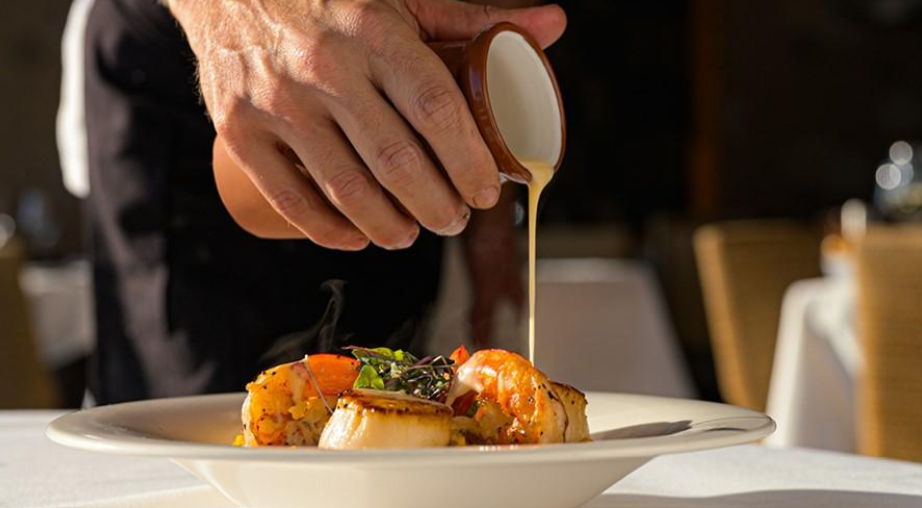
That final stage is where preparation becomes particularly valuable. When choosing sauces for salmon, cooks can use temperature readings, measured ingredient ratios, and texture cues to determine whether the dish needs brightness, creaminess, gentle heat, sweetness, or savory depth. A crisp pan-seared fillet may benefit from a light herb or citrus preparation served underneath or alongside it, preserving the crust. A softer baked or poached portion can handle a richer finishing spoonful over the top, while grilled fish often pairs well with fresh, acidic flavors that balance its smoky surface. By matching the finishing element to the cooking method, technology-assisted preparation becomes part of a complete flavor strategy rather than an isolated kitchen trick.
Precision Begins With Heat
A digital thermometer is the simplest upgrade for delicate fish. Instead of cutting into the center and releasing moisture, insert the probe from the side toward the thickest point. Watch how quickly the temperature rises during the final minutes. Removing the fish slightly before the desired endpoint allows residual heat to finish the job while the surface remains intact and the center stays tender.
Induction cooking adds another layer of control. Because power changes are immediate, the pan can move from strong searing heat to a gentle finishing temperature without delay. This helps when building flavor in the same skillet. After the fish is removed, lowering the heat quickly protects butter, garlic, herbs, wine, or citrus juice from scorching while preserving the browned bits that provide depth.
Smart ovens also make timing easier. A probe enabled oven can alert the cook before the fish crosses its ideal range, while convection settings promote even surface color. The useful feature is not automation alone, but predictability. Once a cook records the weight, thickness, oven setting, and final temperature, the same method can be repeated with less guesswork on another night.
Measure Flavor, Not Just Ingredients
Digital scales are often associated with baking, yet they are equally useful in savory cooking. Measuring oil, vinegar, mustard, yogurt, honey, or miso by weight creates consistent balance, especially in small batches. It also makes adjustments easier. If a mixture feels too sharp, the cook can add a measured amount of fat or sweetness and record the change instead of remembering an uncertain splash.
Compact blenders and immersion tools can improve texture when used with restraint. High speed blending creates smooth emulsions, but excessive processing may warm herbs, dull fresh aromas, or make a mixture thicker than intended. Pulse briefly, check the consistency, and add liquid gradually. For salmon, this controlled method is useful when combining herbs, citrus, capers, avocado, yogurt, or oil into a finish that should remain vivid and spoonable.
A connected kitchen timer can manage several short processes at once. One timer may track resting time, another may mark a reduction, and a third may remind the cook when to brush on a glaze. Sweet ingredients can darken rapidly under a broiler, so an alert during the final minute is more useful than a general timer set at the beginning.
Match Texture to Technique
Plating should preserve the texture created during cooking. If the skin or surface is crisp, placing a wet mixture directly on top too early can soften it. Spoon the finishing component beneath the fish, arrange it beside the portion, or add it immediately before serving. Softer preparations, including poached or gently baked fish, offer more freedom because there is less crust to protect.
The cooking method also suggests the right flavor direction. Grilled seafood welcomes fresh herbs, citrus, and mild sweetness that contrast with smoke. Blackened fish often need a cooling element. Broiled portions work well with glazes that caramelize near the end of cooking. Pan seared fish can use the skillet itself, capturing browned residue in a quick reduction or butter based finish.
Use Sensors as Guides
Technology should help cooks notice changes, not distract them from the food. Steam, aroma, bubbling patterns, color, and resistance under a spatula still matter. A thermometer confirms doneness, but the cook should also observe whether albumin is appearing, whether the edges are tightening, and whether the surface releases cleanly from the pan. Data becomes powerful when paired with attention.
Smart displays and recipe applications can support this learning process by storing notes. Record the species, cut thickness, starting temperature, pan material, heat level, and resting time. Add a brief comment about the final balance of salt, acid, sweetness, and richness. Over several meals, those notes become a personal cooking database tailored to the equipment and ingredients used at home.
Reduce Waste Through Better Planning
Precision also reduces waste. Small batch preparation prevents excess condiments from being forgotten in the refrigerator. A scale makes it easy to halve a formula, while labeled containers and date reminders improve storage. Leftover herbs can become a green emulsion, citrus zest can brighten a creamy mixture, and small amounts of yogurt or mustard can provide body without requiring another shopping trip.
A thoughtful smart kitchen is not defined by the number of devices on the counter. It is defined by how clearly each tool solves a problem. The thermometer protects texture, induction manages heat, the scale preserves balance, the blender controls consistency, and timers protect brief finishing stages. Used together, they make seafood cooking calmer, more repeatable, and more creative.
The goal is still a delicious plate, not a dashboard full of numbers. Technology earns its place when it quietly supports timing, consistency, and confident adjustment. By combining precise heat control with measured flavor and careful plating, cooks can turn a simple fillet into a polished meal while keeping the process practical enough to repeat on an ordinary weeknight.
 Anthony Fosteraliero is a key strategist at Tbtechchef, dedicated to bridging the gap between professional-grade hardware and the home kitchen. With a focus on performance metrics and technical durability, he oversees the rigorous testing of smart appliances and gastronomic tools to ensure they meet the demands of a high-tech culinary environment. Anthony’s analytical approach helps demystify complex kitchen ecosystems, providing users with the data-driven insights needed to optimize their workspace for maximum efficiency and precision.