
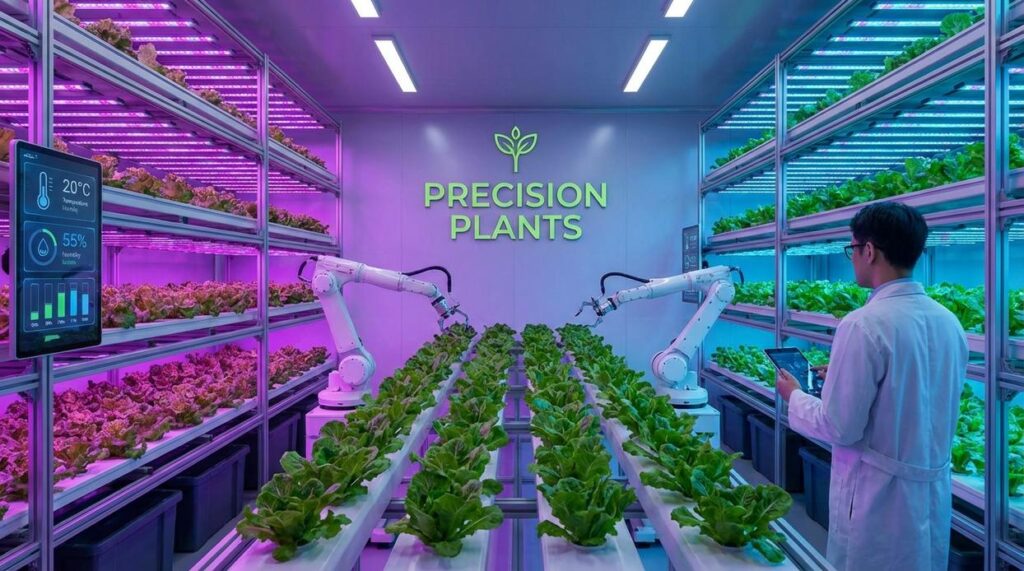
If you’re searching for smarter ways to cook, experiment, and upgrade your kitchen experience, you’re in the right place. Today’s culinary world is evolving fast—driven by technology, data, and creative experimentation that blends flavor with functionality. From smart kitchen innovations to gastronomic device integration and digital recipe hacks, modern cooking is no longer just about ingredients—it’s about systems, precision, and possibility.
This article explores how tech-enhanced cooking methods are reshaping everyday meals and professional techniques alike, with a special focus on plant based food innovation and the tools making it more accessible than ever. You’ll discover how connected devices, intelligent appliances, and digital platforms are transforming the way we prep, cook, and plate.
Our insights are grounded in hands-on testing, continuous research into emerging kitchen technologies, and close analysis of evolving culinary trends—so you get practical, reliable guidance you can actually use in your own kitchen.
Beyond Imitation: The New Frontier of Plant-Based Cuisine
Plant-based cooking is no longer about mimicking burgers or cheese. The real shift is TECH-DRIVEN creativity: fermentation chambers, precision dehydration, and AI-assisted flavor mapping that build depth from scratch. While some argue classics are enough, that mindset limits discovery (comfort zones taste safe). Modern plant based food innovation leverages:
- Controlled koji cultures for umami amplification
- Ultrasonic infusion for rapid flavor penetration
- 3D food printing for STRUCTURE without animal protein
These tools unlock textures once thought impossible and deliver repeatable, restaurant-level results in smart kitchens. Precision replaces guesswork and sparks bold originality EVERYWHERE.
Unlocking Nature’s Code: The Next Generation of Plant Ingredients
The future of food isn’t just plant-based—it’s precision-built. While many brands still spotlight soy burgers and pea protein patties, the real breakthroughs are happening deeper in the lab (and frankly, most competitors barely scratch the surface).
Precision Fermentation goes far beyond kombucha. Scientists program microbes—yeast, fungi, or bacteria—to produce specific molecules like heme, the iron-containing compound that gives meat its savory depth. By instructing microbes to create identical flavor proteins or fats, developers replicate animal-like richness without livestock. It’s less “hippie homebrew,” more biotech orchestra. According to the Good Food Institute, precision fermentation investment has grown steadily as demand for functional proteins rises.
Mycoprotein & Fungi Tech pushes texture innovation further. Mycelium—the root network of fungi—naturally forms fibrous strands that resemble muscle tissue. Unlike extruded plant proteins, it grows in whole-cut structures, meaning steaks and seafood alternatives don’t need heavy restructuring. Pro tip: controlling humidity during growth dramatically improves tenderness and flavor absorption.
Cellular Agriculture adds another edge. Instead of cultivating full cuts of meat, innovators isolate fats and aroma compounds. These cultivated fats melt and brown like traditional animal fat, transforming plant-based dishes with authentic mouthfeel.
Advanced Plant Isolates are the quiet revolution:
- Chickpea protein for emulsification
- Fava bean isolates for structure and bite
- Mung bean proteins for foaming and browning
This level of customization defines modern plant based food innovation. Critics argue it’s “too processed,” but so is bread, beer, and tofu (and no one calls sourdough artificial). The competitive advantage isn’t imitation—it’s molecular mastery.
The Modern Technique Toolkit: Precision Cooking for Plants
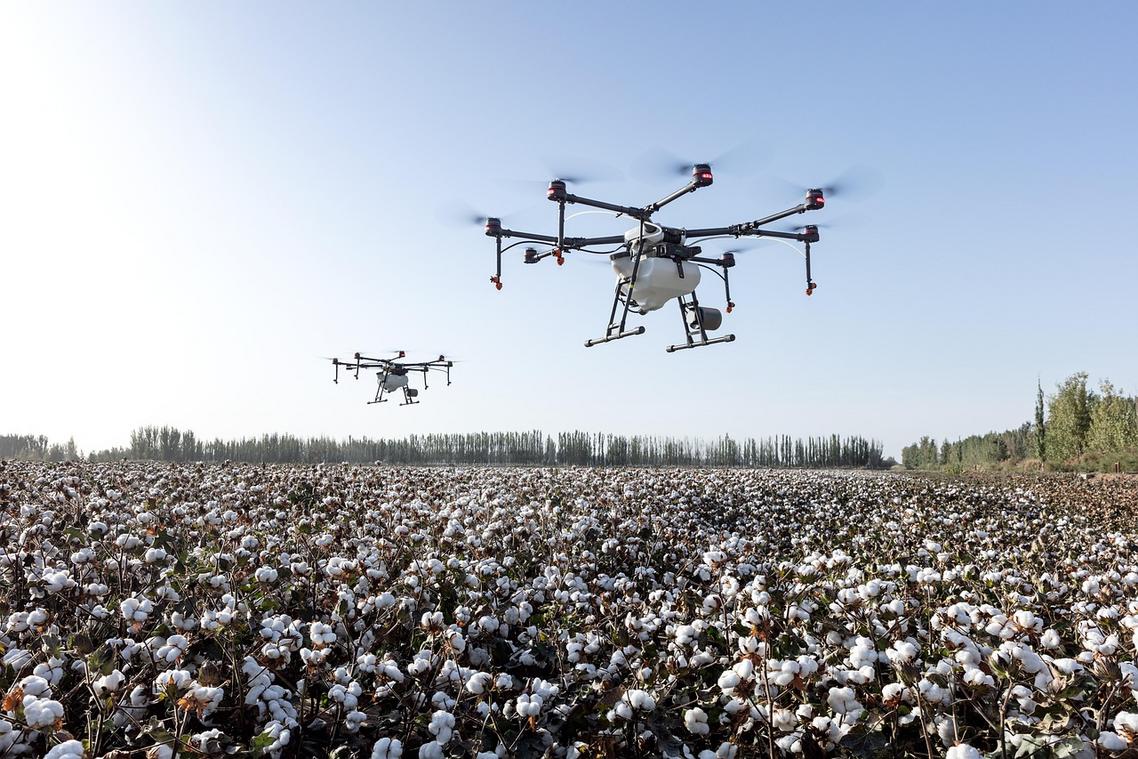
Precision isn’t just for pastry chefs with tweezers. In plant-forward kitchens, it’s the difference between good and unforgettable. Modern tools give you tighter control over texture, flavor, and nutrition—so your vegetables and plant proteins finally get the star treatment.
Sous-Vide for Vegetables
Sous-vide (French for “under vacuum”) cooks food in sealed bags at precisely controlled temperatures. Instead of blasting carrots in boiling water, you hold them at 85°C for an hour. The result? Perfectly al dente carrots—tender with a gentle snap, never mushy. Asparagus turns tender-crisp and vibrantly green. Onions cooked low and slow become jammy, sweet, and deeply aromatic (like French onion soup without the babysitting).
What’s in it for you:
- Reliable, repeatable texture
- Intensified natural sweetness
- Minimal nutrient loss compared to boiling (USDA notes water-soluble vitamins degrade with high-heat exposure)
Controlled-Atmosphere Fermentation
Smart fermenters and proofing boxes regulate temperature and humidity—the two variables that make or break fermentation. This consistency allows safe production of koji (rice inoculated with Aspergillus oryzae), tempeh, and plant-based cheeses rich in umami (the savory “fifth taste”).
The benefit is control. Instead of hoping your tempeh binds, you dial in the exact environment for dense cakes and nutty depth. Complex flavors, fewer failed batches (and less countertop anxiety).
Sonic Homogenization
Using ultrasonic waves, sonic homogenization breaks particles into microscopic sizes, creating ultra-smooth emulsions. Think almond milk that doesn’t separate or velvety sauces without gums.
Pro tip: Smaller particle size improves stability and mouthfeel, reducing the need for additives (Journal of Food Engineering, 2017).
High-Pressure Processing (HPP)
HPP is a non-thermal pasteurization method using extreme pressure instead of heat to neutralize pathogens (FDA guidance). Because there’s no high heat, fresh flavors and nutrients remain intact. Expect brighter juices, fresher-tasting dips, and uniquely dense textures.
This is plant based food innovation at its most practical—longer shelf life without sacrificing flavor. It’s the same mindset behind comfort food reinvented modern twists on classic dishes: technology amplifying tradition, not replacing it.
The integrated smart kitchen isn’t just a flex for gadget lovers; it’s a genuine upgrade for anyone serious about plant-based food innovation. I’ve used smart ovens and combi steamers, and the steam-plus-convection combo feels like cheating in the best way. Steam keeps crumb tender in vegan brioche, while dry heat builds that crackling crust we all chase. Critics argue automation dulls instinct, but I think it sharpens creativity by handling variables humans often misjudge.
Guided cooking systems like Thermomix-style smart blenders go further. With integrated scales and step-by-step digital recipes, they standardize emulsification—the stable blending of fat and water. That precision means lump-free custards, glossy sauces, and doughs with consistent hydration. Some chefs scoff at guided prompts, yet beginners gain confidence fast (and fewer sink-side meltdowns).
Then there’s digital recipe hacking. pH—short for potential hydrogen, a measure of acidity—can be tweaked with apps and calculators to perfect cultured cashew cheese. Hydrocolloids, plant-derived gelling agents like agar, require percentage-based math for foams and gels.
Finally, induction control wins me over every time. Magnetic heating responds instantly, and paired with a probe, it prevents scorching delicate nut sauces during reduction.
Pro tip: log your temperature curves and ratios digitally; patterns emerge that elevate repeatability. Tech won’t replace intuition, but in my kitchen, it’s the ultimate digital sous chef. While purists may cling to cast iron and guesswork, I believe precision tools expand possibility, not limit it, especially when flavor and texture leave little room for error. Control breeds culinary confidence.
Your Plant-Based Culinary Evolution Starts Now
You’ve learned the ingredients. You’ve seen the tech. Now it’s time to cook differently.
Some skeptics argue that high-tech methods overcomplicate simple vegetables. Fair point—carrots have tasted good for centuries. But precision control transforms “good” into unforgettable (yes, even for weeknight dinner).
Start here:
- Sous-vide carrots at 183°F for 1 hour with olive oil and thyme.
- Finish in a hot pan for light caramelization.
- Add flaky salt and a squeeze of lemon.
Notice the texture—silky, concentrated, almost buttery.
That’s plant based food innovation in action.
Pro tip: Track temperature and timing in a notes app to refine results weekly.
Elevate Your Kitchen With Smarter, Greener Innovation
You came here to understand how modern technology and plant based food innovation are reshaping the way we cook, eat, and experience food. Now you’ve seen how smart appliances, digital recipe systems, and forward-thinking culinary tools can simplify your process while expanding your creative range.
If you’ve been feeling stuck in repetitive meals, overwhelmed by new gadgets, or unsure how to blend sustainability with convenience, you’re not alone. The gap between inspiration and execution is real — and it’s frustrating.
The good news? You now have a clear path forward. By integrating tech-enhanced cooking methods and intelligent kitchen systems, you can save time, reduce waste, and create meals that are both innovative and nourishing.
Don’t let your kitchen fall behind the future of food. Start upgrading your culinary workflow today with trusted insights, cutting-edge techniques, and proven smart kitchen strategies relied on by a growing community of forward-thinking home chefs. Explore the latest guides, implement one new smart tool this week, and transform your cooking experience from routine to revolutionary.
 Daniel Loseyowna serves as a lead innovator, specializing in the "digital hacks" and meta-shifts of modern cooking. He focuses on the integration of smart home logic and software-driven techniques that streamline meal preparation and skill development. By breaking down intricate gastronomic methods into actionable, tiered modules, Daniel empowers the Tbtechchef community to evolve their skills through experiential learning. His work ensures that every digital blueprint and tutorial is field-tested, turning the kitchen into a space of constant growth and technological mastery.