
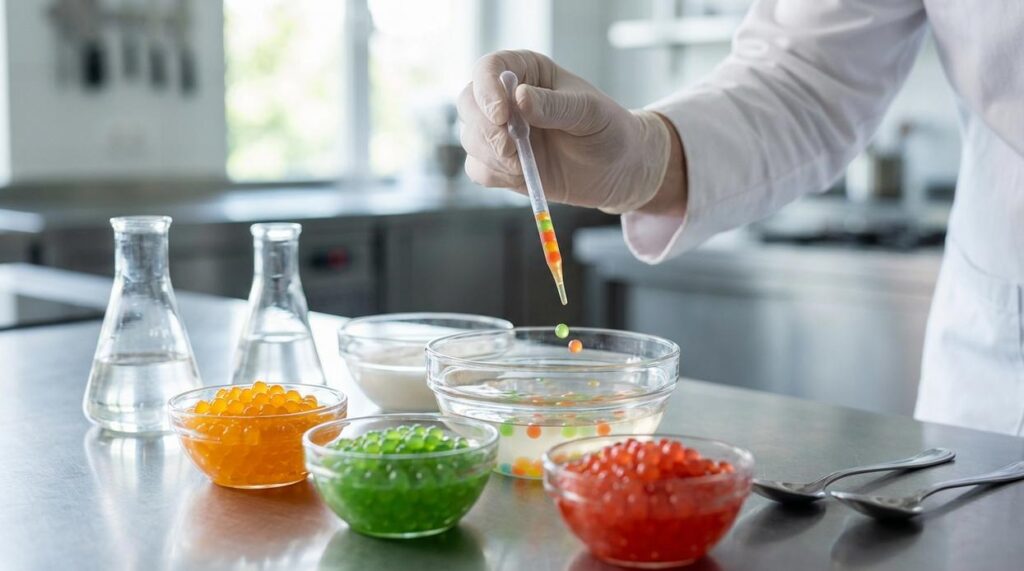
Great cooking isn’t just about following instructions—it’s about understanding what happens beneath the surface. In this guide to “Beyond the Recipe: The Science of Flavor,” we explore how heat, acidity, fat, and time trigger physical and chemical transformations that shape taste, texture, and aroma. Instead of simply telling you what to do, we explain why techniques work, from emulsification to molecular gastronomy techniques that redefine presentation and flavor delivery. By breaking down complex culinary science into clear, actionable steps, you’ll gain the confidence to troubleshoot dishes, replicate precision-driven results, and craft original creations with consistency and control.
The Chef’s Laboratory: Understanding Food at a Molecular Level
At its core, this philosophy is simply applied food science—using chemistry and physics to cook with intention rather than guesswork. In other words, instead of hoping your steak sears properly, you understand why it does. Personally, I think this mindset transforms cooking from routine to revelation (yes, even on a Tuesday night).
The Three Pillars of Precision
First, precise temperature control means managing heat down to the degree, because proteins, fats, and sugars all react differently at specific thresholds. Second, texture modification involves altering structure—think emulsions, gels, or foams—to create new sensory experiences. Third, flavor manipulation is about balancing compounds like acids and aromatics to intensify taste.
Take the Maillard Reaction, for example. This is the chemical reaction between amino acids and reducing sugars that creates browning and deep flavor when you sear a steak (Source: McGee, On Food and Cooking). Control heat correctly, and you get that crave-worthy crust. Rush it, and you get gray disappointment.
Now, some critics argue this approach feels fussy or overly technical. I disagree. Used thoughtfully—even with molecular gastronomy techniques—it enhances familiar dishes rather than replacing them. Pro tip: dry your steak thoroughly before searing; moisture is the enemy of browning. Ultimately, understanding the science just makes dinner taste better.
Sous-Vide (Precision Temperature Cooking)
Sous-vide—French for “under vacuum”—is precision temperature cooking that uses a controlled water bath to heat food evenly. Instead of blasting a steak in a 400°F pan and hoping for the best, you set the water to the exact doneness temperature (say, 130°F for medium-rare). Because water transfers heat more efficiently than air, the food cooks edge to edge at that precise temperature. In other words, overcooking becomes nearly impossible.
Scientifically, proteins like myosin and actin denature (change structure) at specific temperatures. By holding food just at that threshold, you control texture with laboratory-level accuracy (Bill Nye would approve). Fat also renders gradually, improving mouthfeel without drying the meat.
Some critics argue sous-vide “removes the soul” of cooking. Fair point—there’s less guesswork. Yet consistency is power. As smart appliances evolve—see how induction cooking is changing heat control (https://tbtechchef.net/how-induction-cooking-is-changing-heat-control/)—I predict precision cooking will become the home standard, not the exception (speculation).
Spherification (Creating Flavor “Pearls”)
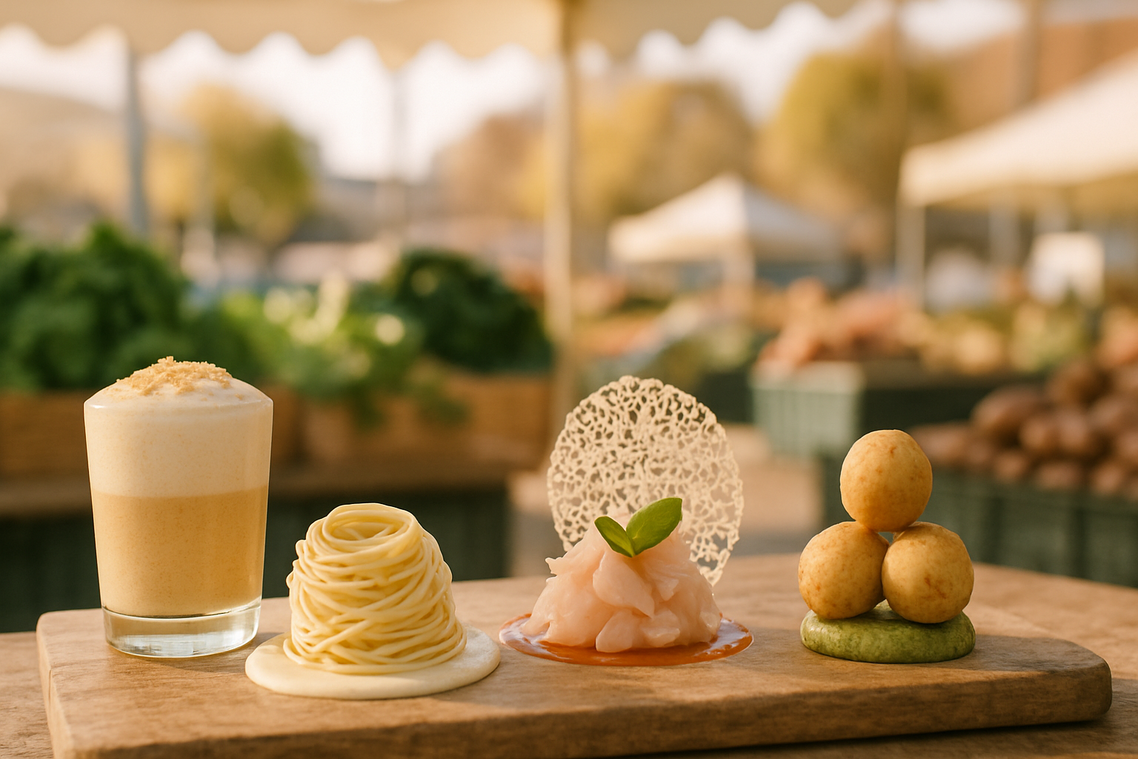
Spherification sounds futuristic, but the chemistry is elegantly simple. When sodium alginate (a seaweed-derived thickener) meets calcium chloride, a reaction forms a thin gel membrane. This membrane traps liquid inside, creating spheres that burst with flavor—like edible caviar.
Here’s the science: sodium alginate contains long-chain molecules that cross-link when exposed to calcium ions. The calcium acts as a bridge, forming a flexible gel network around the liquid’s surface. The inside remains fluid; the outside becomes delicately set.
A simple digital recipe hack? Blend fruit juice with 0.5% sodium alginate. Drop it, spoonful by spoonful, into a 1% calcium chloride bath. After 30–60 seconds, rinse in water. You’ve made juice pearls. (It feels like kitchen wizardry, and guests will stare.)
Some argue it’s style over substance. Maybe. But when used thoughtfully within molecular gastronomy techniques, it enhances both texture and flavor perception. I predict we’ll soon see pre-measured spherification kits synced with recipe apps (speculation).
Emulsions and Foams (Mastering Texture)
An emulsion is a mixture of two normally unmixable liquids—like oil and vinegar—stabilized so they stay suspended. A foam traps gas bubbles inside a liquid. Physics is at play: surface tension and mechanical force disperse droplets or air.
Stabilizers such as lecithin reduce surface tension, helping droplets or bubbles remain intact. Without them, your vinaigrette separates (as it inevitably does at dinner).
Some chefs dismiss foams as passé. Yet texture shapes flavor perception. Used sparingly, airy emulsions add contrast and intensity. Looking ahead, I suspect countertop devices will automate stable foam production, making advanced textures everyday tools (speculation).
I still remember the first time I nailed a perfect medium-rare steak edge to edge. It wasn’t luck—it was my immersion circulator. That moment changed how I saw my kitchen. Suddenly, precision wasn’t reserved for restaurant labs; it was sitting on my countertop.
Today’s smart kitchen ecosystem makes advanced cooking feel approachable. Immersion circulators hold water at exact temperatures, digital scales measure to the gram (a gram scale measures tiny weight differences critical for baking and curing), and smart ovens adjust heat automatically. Instead of guessing, you’re engineering flavor.
More importantly, culinary pulse monitoring—using real-time sensor feedback rather than just timers—adds confidence. A temperature probe tracks internal heat as food cooks. Digital hydrometers measure sugar content in liquids. In other words, you’re responding to data, not hope.
Meanwhile, apps now calculate ratios for brines, gels, and cures. When I first experimented with molecular gastronomy techniques, software helped me balance agar percentages precisely. No clumps. No waste. Just consistency.
If you’re starting out, invest in a quality immersion circulator and a reliable gram scale. That’s it. From there, build slowly.
Some argue gadgets overcomplicate cooking. I get that. But used wisely, they don’t replace intuition—they sharpen it.
Your Kitchen, Your Experiment
You set out to understand what truly makes great food unforgettable—and now you see that innovation in the kitchen starts with mastering the science behind flavor and texture. Cooking is no longer guesswork. It’s controlled heat, balanced reactions, and intentional design.
The frustration of inconsistent results, overcooked steaks, or lackluster textures doesn’t have to define your meals anymore. You’re no longer confined to step-by-step instructions—you’re thinking like a culinary architect, using precision temperature, texture control, and even molecular gastronomy techniques to create dishes that rival your favorite restaurants.
Start simple. Try sous-vide for the perfect steak and taste the power of precision for yourself. Then build from there.
If you’re ready to turn curiosity into consistently stunning results, join thousands of home cooks already upgrading their kitchens with smarter techniques and tech-driven tools. Don’t just follow recipes—master them. Your next breakthrough dish starts today.
 Jorvanna Yelthanna is the visionary architect behind Tbtechchef, a platform born from her drive to merge culinary tradition with digital innovation. As a strategist and pioneer, she has transformed the kitchen into a high-performance arena, focusing on smart device integration and tech-driven efficiency. Jorvanna’s mission is clear: to empower home cooks with the tools and digital blueprints needed to master the modern gastronomic frontier.