

Curious how technology is transforming the way we cook, experiment, and experience food? This article dives into the fast-evolving world of tech-enhanced cooking methods, smart kitchen innovations, and gastronomic device integration—showing you exactly how to elevate everyday meals with digital precision and creativity. Whether you’re looking to streamline weeknight dinners or experiment with advanced culinary techniques, you’ll discover practical insights that blend culinary pulse with cutting-edge tools.
We focus on real-world applications, tested tools, and proven techniques rooted in flavor pairing principles to ensure every innovation actually improves taste—not just convenience. By combining hands-on experimentation with research-backed culinary science, this guide delivers reliable, actionable advice you can trust.
From digital recipe hacks to intelligent appliances that adapt to your preferences, you’ll learn how to turn your kitchen into a smarter, more intuitive space—without sacrificing flavor, artistry, or control.
Great cooking isn’t magic—it’s chemistry and creativity working together. When you understand why flavors click, you stop fearing improvisation and start building dishes that taste intentional, not accidental.
Most home cooks follow recipes step by step, yet something feels flat. The fix? Learning flavor pairing principles and how contrast, balance, and aroma interact on your palate.
Here’s what you gain:
- Confidence to swap ingredients without ruining dinner
- Control over salt, acid, fat, and heat
- Creativity to invent signature meals
Think sweet and salty caramel or tomato and basil (a culinary power couple). Master the code, and meal becomes deliciously yours.
The Five Pillars of Taste: Your Flavor Toolkit
Think of taste as a FIVE-INSTRUMENT BAND. Each pillar—sweet, sour, salty, bitter, and umami—plays its part. Alone, they’re simple. Together, they’re symphonic.
Sweet is the peacemaker. Found in sugar, honey, and even roasted carrots, it softens sharp edges. Add a touch of sweetness to tomato sauce and watch acidity mellow (like turning down the treble on a speaker). Sweetness doesn’t just add sugar—it balances bitterness and acidity.
Sour is the spotlight. Citrus, vinegar, and fermented foods cut through richness the way a squeeze of lemon brightens buttery pasta. Acidity wakes up sleepy dishes and makes flavors feel alive.
Salty is the amplifier. Salt doesn’t just make food salty; it enhances everything around it, reducing bitterness and making other tastes pop. Think of it as contrast in a photo—suddenly, details stand out. Pro tip: season in small layers, not all at once.
Bitter is the plot twist. Coffee, dark chocolate, and arugula add depth and sophistication. A hint of bitterness keeps dishes from tasting flat (like adding a villain to make the hero shine).
Umami is the bassline. Found in mushrooms, soy sauce, and aged cheese, it creates savory depth. Using flavor pairing principles, combine umami with salt for a deeply satisfying foundation.
The Art of the Perfect Balance
To elevate your culinary creations, mastering the art of flavor pairing—much like a professional chef—can lead you to unexpected combinations, such as those explored in our article “Cooking With Glisusomena.
At its core, great cooking isn’t about piling flavors together—it’s about equilibrium. The Core Principle: Flavor combination is less about pairing and more about balancing. In fact, research published in Food Quality and Preference shows that diners consistently rate dishes higher when multiple taste elements—sweet, salty, sour, bitter, and umami—are present in harmony rather than isolation. Think of it like a band: no single instrument should drown out the rest (yes, even the lead guitar).
Complementary vs. Contrasting plays a crucial role here. Earthy mushrooms and thyme work because they share aromatic compounds—this alignment is backed by food science databases that map shared flavor molecules. On the other hand, sweet and sour sauces thrive on tension; contrast heightens sensory interest and prevents palate fatigue.
Then there’s The Richness-Acidity Equation. Fatty foods such as fried chicken feel lighter with lemon or pickles because acid stimulates saliva production, effectively cleansing the palate between bites. That’s not culinary folklore—it’s physiology.
Equally compelling is The Sweet-Salty Synergy. Studies from the Monell Chemical Senses Center confirm that salt suppresses bitterness and enhances perceived sweetness, explaining why salted caramel tastes more complex than caramel alone.
Finally, Taming Bitterness is about control. Salt reduces bitter perception, fat coats the tongue, and sweetness reframes sharp edges. Pro tip: add a pinch of salt to coffee grounds before brewing (you’ll notice the difference immediately).
When you consciously apply flavor pairing principles, you move from cooking by habit to cooking with intention.
Beyond the Tongue: Aromatics and the Power of Smell
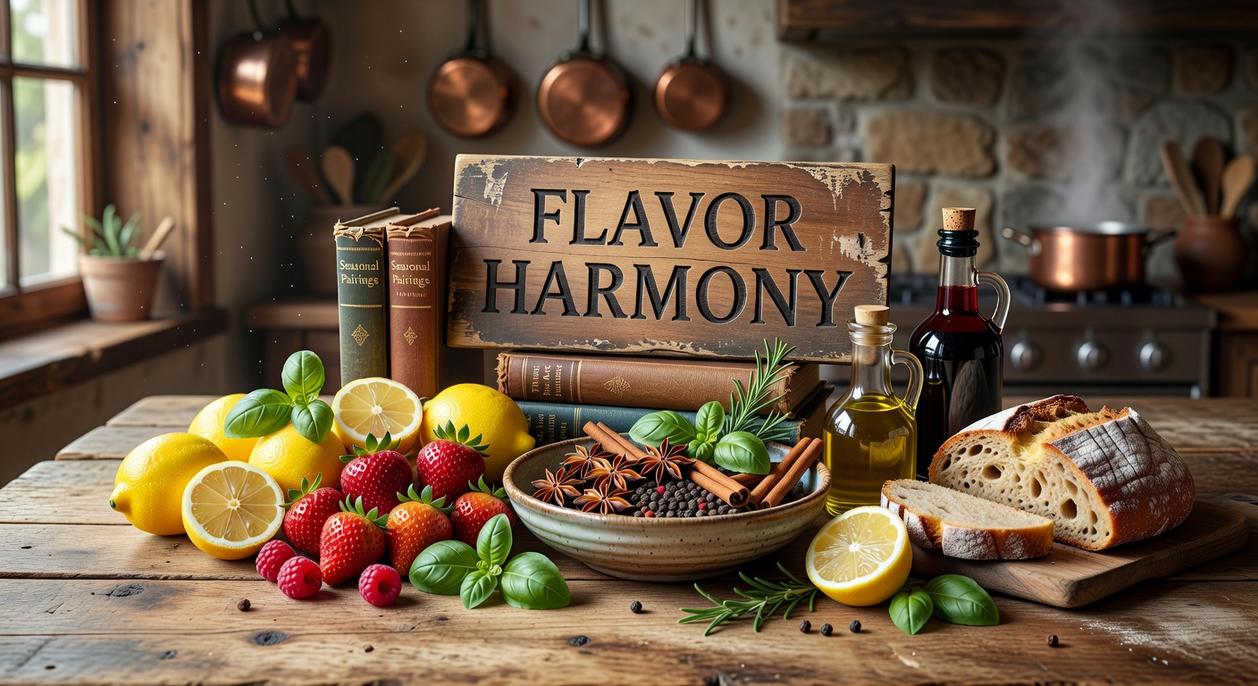
Flavor Is More Than Taste
Here’s the truth: flavor is about 80% aroma (yes, really). Studies from institutions like the Monell Chemical Senses Center show that what we call “taste” is largely driven by volatile aromatic compounds traveling retronasally—through the back of your nose as you chew. Strip away smell, and even your favorite curry tastes flat. BLAND. Almost like eating in a head cold haze.
Some argue that mastering salt, fat, acid, and heat is enough. And sure, those matter. But without aromatics, you’re building a playlist with no melody (all bass, no Beyoncé).
Building Aromatic Layers
Great dishes start with alliums—onions, garlic, shallots—then layer herbs and spices. This foundation releases essential oils, forming complexity before proteins even hit the pan. Using flavor pairing principles helps you match shared aromatic compounds—like basil and tomato—to amplify harmony.
What’s next? Precision. Sous-vide infusion preserves delicate herbal notes, while a smoking gun adds depth without overcooking. Smart thermometers and AI-driven apps now suggest pairings and control heat to maximize extraction from spices.
If you’re refining aroma, presentation follows—explore plating and presentation secrets for stunning dishes.
Pro tip: Bloom spices in warm oil for 30 seconds to unlock fat-soluble aroma compounds before adding liquid.
The Hidden Flavors: Texture and Temperature
Ever taken a bite of something that should taste amazing—but falls flat? SAME. It’s not always the seasoning. It’s texture. We obsess over salt and spice yet ignore the crunch, the creaminess, the snap. Texture is the unsung hero of flavor (and yes, it matters more than you think).
Contrast keeps food interesting. A creamy tomato soup without crunchy croutons feels one-note. A tender steak without a seared crust? Disappointing. Our brains crave variation; without it, palate fatigue sets in fast. That’s why flavor pairing principles work best when texture joins the party.
Temperature is another quiet culprit. Cold mutes sweetness—there’s a reason ice cream is loaded with sugar. Warmth amplifies aroma and savory depth. Ever noticed how leftovers taste bland straight from the fridge?
Pro tip: Add ONE contrasting element—something crispy, silky, or chilled against warm. That small tweak can turn “meh” into memorable.
Start building your flavor intuition with what you already know. You understand the foundations—balancing the five tastes, layering aromatics, and contrasting textures— now it’s time to use them. Step one: pick a familiar dish, like scrambled eggs or tomato pasta. Step two: add one intentional twist— a squeeze of lime, toasted almonds, or chopped basil. Taste, adjust, repeat. Notice how acidity brightens, crunch excites, and herbs perfume. If something feels flat, add salt or acid before more heat. (Yes, tiny tweaks change everything.) Your kitchen is your laboratory. Apply one principle tonight and build confidence bite by bite with curiosity.
Bring Smarter Flavor to Your Kitchen
You came here to understand how culinary pulse and smart kitchen innovation can elevate the way you cook. Now you’ve seen how tech-enhanced methods, connected devices, and digital recipe hacks work together to create more precise, creative, and efficient meals.
But the real transformation happens when you apply these tools with intention. Mastering flavor pairing principles while leveraging smart gadgets means fewer bland dishes, fewer failed experiments, and more confidence every time you step into the kitchen. No more guessing. No more wasted ingredients. Just smarter, better results.
If you’re tired of inconsistent flavors and underused kitchen tech, it’s time to upgrade your approach. Explore more tech-driven cooking strategies, integrate your devices the right way, and start building dishes that taste as advanced as the tools you’re using.
Join thousands of forward-thinking home cooks who are already transforming their kitchens with smarter systems and proven techniques. Dive deeper, experiment boldly, and turn your next meal into a precision-crafted experience. Your smarter kitchen starts now.
 Jorvanna Yelthanna is the visionary architect behind Tbtechchef, a platform born from her drive to merge culinary tradition with digital innovation. As a strategist and pioneer, she has transformed the kitchen into a high-performance arena, focusing on smart device integration and tech-driven efficiency. Jorvanna’s mission is clear: to empower home cooks with the tools and digital blueprints needed to master the modern gastronomic frontier.