
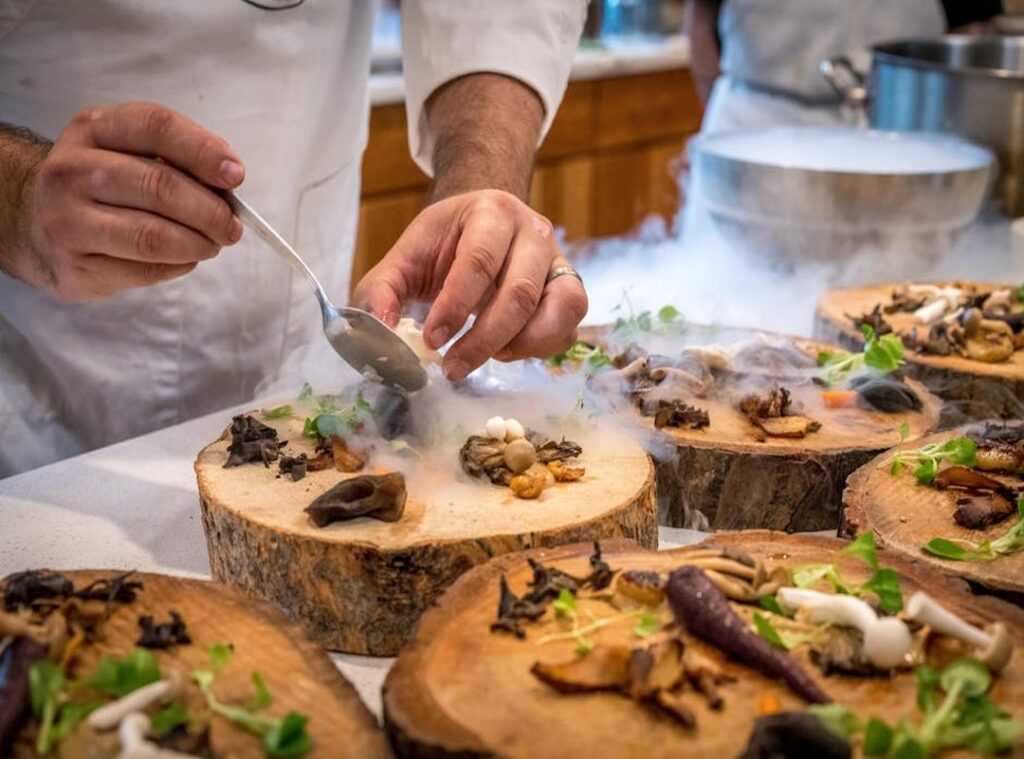
Cooking the same meals day in and day out gets old, right? We’ve all been there, stuck in the kitchen rut. Traditional methods are fine but lack precision.
You want more than just recipes; you want innovation. As food lovers who blend tech with culinary art, we see the need for a change. This isn’t about ditching old methods.
It’s about enhancing them. Molecular gastronomy techniques offer a fresh perspective. They’re not just for fancy restaurants anymore. This article will show you how to make home cooking exciting.
Ready to turn your kitchen into a creative playground?
Moving Beyond the Burner: The New Culinary Frontier
Classic techniques like searing, roasting, and braising are the bedrock of good cooking. But let’s be honest. They can drive you nuts with their guesswork.
Ever tried to nail a medium-rare steak? It’s a gamble, right? You’re either a hero or a zero, depending on that split-second decision.
The challenge is that these methods often lack precision, and that’s where things get sticky (literally, sometimes).
Enter modern culinary tech. It’s not here to replace your skills but to amplify them. Think of it as giving you a secret weapon.
This shift is a natural evolution for anyone obsessed with cooking. It opens up possibilities previously reserved for top-tier chefs. Imagine experimenting with molecular gastronomy techniques at home.
Suddenly, you’re playing with textures and flavors that seemed out of reach before.
And don’t get me started on smart ovens. They’re game changers. Just check out this cooking smart ovens full guide.
It’s about precision and consistency, making those “a little more” or “a little less” moments a thing of the past. This is the future of cooking, and it’s thrilling. Come on, who wouldn’t want to cook like a pro at home?
The Power of Precision: Unlocking Perfection with Sous Vide
Sous vide isn’t just about cooking in a bag. It’s about precision. Imagine a gentle, temperature-controlled water bath cooking your food to its perfect temperature from edge to edge.
Not one degree more, not one less. That’s the magic. Why should you care?
Because it makes overcooking virtually impossible.
Picture this: the juiciest chicken, the most tender steak, the flakiest fish you’ve ever tasted. It’s not just hype. It’s science.
Sous vide gives you the control you never thought you needed but now can’t live without.
Now, let’s talk tech. Modern immersion circulators have changed the game. With Wi-Fi and Bluetooth connectivity, you’re not just cooking (you’re) mastering your kitchen.
Companion apps take away all the guesswork. You can monitor your meal remotely, ensuring perfection every time. It’s like having a culinary GPS.
Want a practical example? Take a pork tenderloin. You hold it at a perfect 140°F for hours.
The result? tender meat. And then a quick sear at the end creates that mouthwatering crust. This final sear isn’t optional.
It’s non-negotiable. You want that texture contrast, trust me.
But before you dive in, what should you look for in a circulator? One with a strong build and reliable connectivity. And those bags?
Go for reusable silicone if you’re eco-conscious. Or vacuum sealers if you’re all about that airtight life. Personal choice, really.
But the final sear. Remember — is key.
Curious about the science behind it all? Sous vide is part of a broader culinary trend. Interested in how it ties into what is molecular gastronomy (plus 10 techniques)?
It’s where art meets science in the kitchen, blending creativity with precision.
Pro tip: Start simple. Experiment with chicken or veggies before moving to more complex dishes. Open up the potential of sous vide and you’ll never look back.
Kitchen Alchemy: Bringing Culinary Science Home
Ever wonder what “molecular gastronomy” really means? It’s not just a fancy term chefs throw around. It’s a playful science that lets you mess with food’s texture and form.
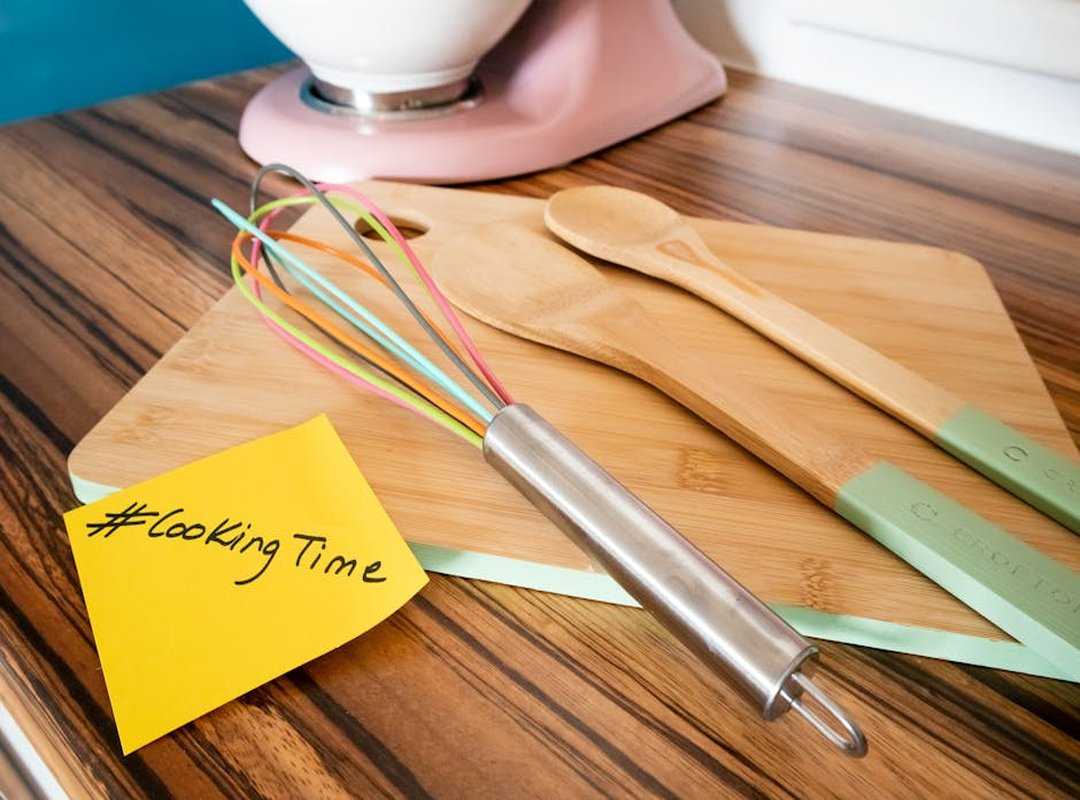
Imagine creating those jaw-dropping moments at your dinner table. You can. Trust me, it’s more accessible than you think.
Let’s start with spherification. Sounds complicated, right? But all you need is a simple kit and a precision digital scale.
You can turn everyday liquids like fruit juice, balsamic vinegar, or soy sauce into flavor-packed pearls. These pearls burst with flavor when bitten, transforming any dish into a sensory experience. Who knew science could taste so good?
Now, onto creating foams and airs. Ever seen those light, airy toppings on fancy dishes? They’re made with a culinary whipper (think iSi canister) and a natural stabilizer like soy lecithin.
Just like that, you can turn liquids into intensely flavored foams. Perfect for soups or desserts. It’s like adding a cloud of flavor to your plate.
And yes, it’s as cool as it sounds.
Here’s the magic part: these molecular gastronomy techniques are now within reach. Affordable tools like precision scales and immersion blenders have changed the game. They’re no longer just for professional kitchens.
You can have them at home, making you the chef of your own modern kitchen.
Want to dive even deeper into culinary magic? Check out sous vide cooking techniques tips. There’s a whole world of flavor to explore.
Cooking is no longer just about following recipes. It’s about experimenting, creating, and having fun. So grab a kit and start playing.
Who knows? Your next dinner party could be the talk of the town. Get ready to impress your friends with your newfound kitchen wizardry.
Welcome to the world of culinary science!
Air’s Kitchen Magic: Crisping and Concentrating
Let’s ditch the idea that an air fryer is just for reheating leftover fries. It’s more than a fad gadget. Think of it as a compact, high-velocity convection oven. That’s the real magic.
It uses rapidly circulating hot air to create crusts and textures that rival conventional ovens, but in no time at all. Who doesn’t love saving time while still getting that perfect crunch?
But wait, there’s more. This isn’t only about fries or crispy chicken. Ever tried “flash roasting” vegetables?
A few minutes in the air fryer and you’ve got tender-crisp veggies that make your taste buds pop. Or how about getting that perfect crackling skin on salmon? This little machine can even turn leftover pizza into a fresh slice of heaven.
Seriously, it’s not just about heating. It’s about transforming.
Now, let’s talk about dehydration. A different pace entirely. Modern dehydrators with precise temperature controls offer a slow, deliberate way to concentrate flavors.
Imagine intense fruit leathers, umami-rich mushroom powders, or your very own homemade jerky. It’s the low and slow method that never fails to impress.
Here’s where it gets interesting. Both of these methods. Fast and hot versus slow and low.
Are leveraging molecular gastronomy techniques in your kitchen. They manipulate texture and flavor in sophisticated ways. It’s all air, baby.
Air doing wonders. So, get experimental. The kitchen isn’t just a place to cook.
It’s where science meets art. And honestly, who doesn’t want to be a part of that revolution?
Your Next Great Dish Awaits
Feeling stuck in the same old cooking rut? We’ve all been there. But here’s the thing: molecular gastronomy techniques offer you the precision and control to break free.
Imagine crafting dishes that wow not just your taste buds, but also ignite your creativity. You’ve found the path with these tech-driven methods. Now, what’s next?
Pick the technique that intrigues you most. Dive in. Your next unforgettable meal is just one experiment away.
Don’t wait. Take hold of this culinary adventure and make it yours. Visit tbtechchef.net today.
You won’t regret it.
 Daniel Loseyowna serves as a lead innovator, specializing in the "digital hacks" and meta-shifts of modern cooking. He focuses on the integration of smart home logic and software-driven techniques that streamline meal preparation and skill development. By breaking down intricate gastronomic methods into actionable, tiered modules, Daniel empowers the Tbtechchef community to evolve their skills through experiential learning. His work ensures that every digital blueprint and tutorial is field-tested, turning the kitchen into a space of constant growth and technological mastery.