
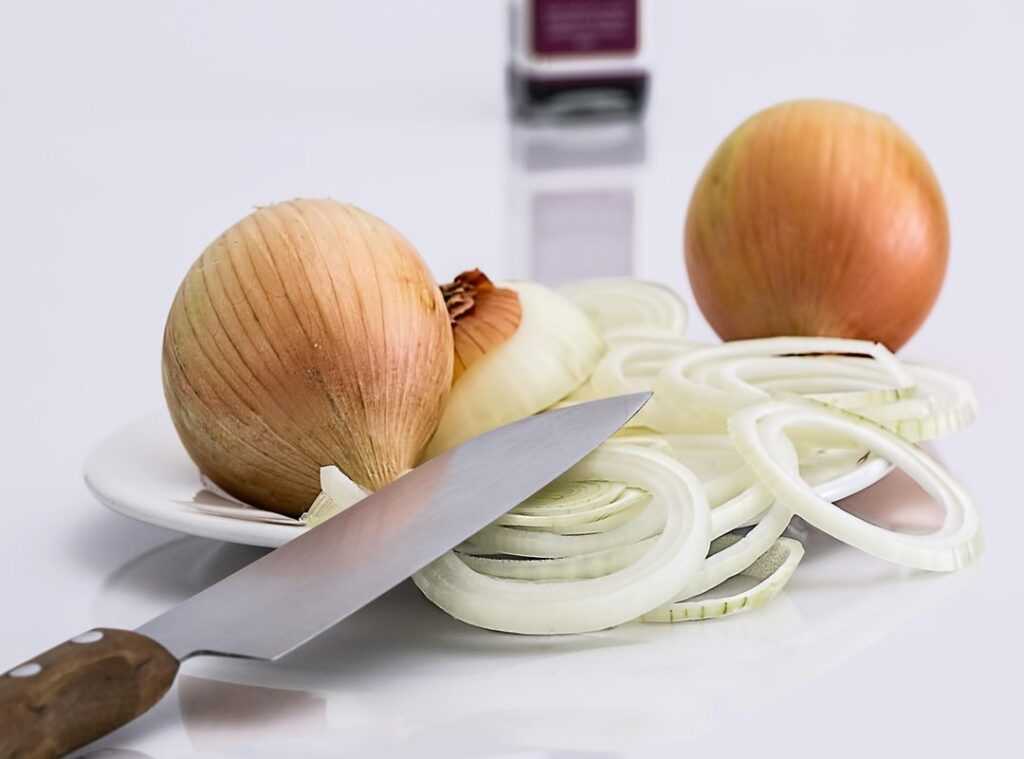
If you’ve ever sliced a tomato with a dull knife, you know the frustration. That squish, that mess. It’s not just about looking slick in the kitchen; it’s about efficiency and safety. Professional knife skills can transform your cooking experience, turning a chore into an art.
But let’s be honest: mastering these skills isn’t as hard as it sounds. And who doesn’t want to cut like a pro?
I’ve spent years exploring every corner of the culinary world, diving into tech innovations and traditional methods alike. You don’t need an arsenal of gadgets (just) the right techniques. But here’s the kicker: knowing how to wield a knife properly can even save you time.
You’ll be amazed at how much faster and more enjoyable cooking becomes.
In this article, I’ll share takeaways from top chefs and experts. Whether you’re a home cook or aspiring chef, you’ll discover practical tips to boost your skills and confidence in the kitchen.
Your Grip, Your Stance, and Your Blade: The Foundation
Great knife technique starts before you even make the first cut. It’s all about setting up the foundation for professional knife skills. Let’s talk about the pinch grip.
Your thumb and index finger should pinch the blade’s bolster. Forget just gripping the handle. This way, you’re in control (not the knife).
It’s safer, too.
Now, the guiding hand. Enter the claw grip. Tuck those fingertips under.
Use your knuckles as the blade’s guide. It’s fundamental. Seriously, this one’s a non-negotiable.
Safety first, right?
Let’s not overlook the cutting surface. Stability is key. A damp paper towel under your cutting board is a simple trick with a huge impact.
Keeps it from slipping all over the place. Trust me, you’ll want to try it.
And what about the knife itself? One good chef’s knife beats a block full of mediocrity any day. It’s the important weapon in your culinary arsenal.
You’ll be elevating everything, from your knife skills to elevating dessert presentation like pro. Trust your tools. They make or break your technique.
Master these basics. Your kitchen game changes forever.
The Important Cuts: Mastering Your Kitchen Arsenal
Let’s get into the heart of cooking with professional knife skills. First up, the dice. It’s straightforward, but key for even cooking.
Start with planks. Lay your vegetable or fruit flat and slice into thin sheets. Then, go for sticks or batons.
Stack those planks, slice them into uniform strips, and finally cut into equal-sized cubes. Why all this fuss? So your food cooks evenly.
Nothing worse than finding raw bits amidst the soft ones, right?
Next, the julienne. Imagine those elegant, thin matchsticks. They add texture to salads, slaws, and are quick in stir-fries.
Take your veggie, slice it finely into long strips, like you’re crafting delicate artwork. Sure, it takes a bit of patience but think about the payoff in aesthetics and taste.
Now, the mince, which needs a bit of finesse. Use a ‘rocking motion’ with your knife. It’s perfect for garlic, herbs, or shallots.
This technique maximizes surface area, coaxing out more aromatic oils and flavors. Ever wondered why sometimes your garlic tastes flat? It’s probably the cut.
Mincing releases those oils that make your dish sing.
And last, the chiffonade. Sounds fancy, huh? It’s perfect for leafy greens or herbs like basil.
Stack them, roll into a neat cigar, and slice into delicate ribbons. It’s ideal for garnishes or adding herbs without bruising. A pro tip: don’t rush this one.
Treat your herbs gently to keep their lively color and flavor intact.
So there you go. These are important techniques every budding cook should master. Sure, it feels tedious, but it’s the backbone of good cooking.
Ever asked why professional chefs make everything look so easy? It’s this foundation. Invest the time in these skills, and you’ll see cooking transform from chore to craft.
Happy chopping!
Precision & Consistency: Where Art Meets Science
Why does consistency matter in cooking? It’s not about robotic precision. It’s about controlling the taste and texture of your dish.
Have you ever had a stew where the carrots were different sizes? The big ones are undercooked while the small ones dissolve into mush. A stew with perfectly uniform diced carrots gives you a harmonious bite every time.
It’s not magic. It’s professional knife skills.
In the modern kitchen, technology plays a role. But let’s not get carried away. It’s not replacing skill.
It’s more like a training partner (think Rocky and Apollo Creed). Smart kitchen tools can refine your skills. For example, a digital scale can help you weigh ingredients after dicing.
It’s a game-changer for training your eye for consistency.
Ever tried a guided cooking app? These apps specify exact cut sizes, like ‘1/2-inch dice.’ It sounds specific, but it’s training you on foundational skills. Don’t see this as a burden.
It’s building your muscle memory.
We need to embrace these tools, not see them as cheats. They don’t replace the art of cooking. They complement it.
Want to dig into deeper into how technology enhances traditional skills? Check out this guide. It dives into the secrets of mastering French cuisine, showing you how art meets science in the kitchen.
Advancing Your Knife Skills: Techniques for Texture and Flair
Alright, you’ve got the basics down. But what about taking your skills up a notch? Let’s talk about some advanced cuts.
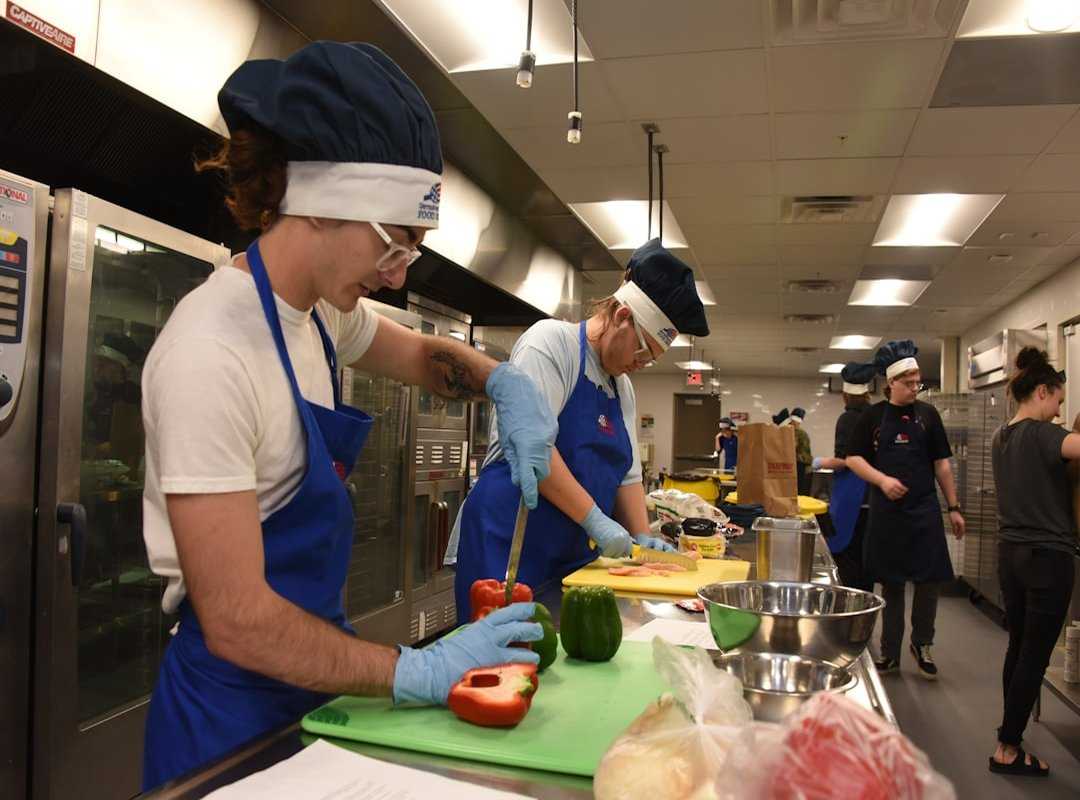
The Brunoise, also known as a fine dice, is where you start refining your touch. Begin with a precise julienne. This technique is key when you’re aiming for a delicate texture in refined sauces or consommés.
It’s not just about size; it’s about consistency. If you’re looking for guidance on the basics before tackling Brunoise, check out knife skills for beginners: a visual.
Now, the Tourné. This classic cut is challenging, making it a true test of your professional knife skills. Think of it as a seven-sided, football-like shape.
Not just for show (this) cut promotes even roasting and browning.
Feeling adventurous? The Oblique Cut, or Roll Cut, is great for long veggies like carrots. Rolling the vegetable a quarter turn between each angled cut creates more surface area.
Perfect for glazing or stir-frying.
These techniques are more than just fancy names. They transform cooking from mundane to artful. Sure, it’s a bit of a challenge.
But isn’t that the point? Embrace these cuts and raise your culinary creations. You’ll thank yourself later.
Achieving Flow: Safety as a Path to Effortless Cooking
Safety in the kitchen isn’t about a list of “don’ts.” It’s about finding your rhythm, like a musician in the zone. Think of the claw grip and a stable cutting board as your foundation for this flow. Without them, you’re a drummer missing a beat.
A sharp knife is key; it’s safer than a dull one. Never leave knives in soapy water. Always carry them point down.
These are professional knife skills. When safety becomes second nature, you can focus on creativity and the joy of cooking. Isn’t that what it’s all about?
Discover Your Inner Chef
You started with the basics. Now you’re slicing through the chaos of cooking with confidence. Doesn’t it feel good?
The shift from feeling uninspired to mastering the kitchen is real. Professional knife skills are your secret weapon. They bring efficiency, flavor, and joy. Why wait?
Grab a vegetable. Try a new technique tonight. Feel the rhythm of a kitchen pro.
It’s simple. And the best part? You can explore more.
Develop smart habits. Turn cooking into a pleasure, not a chore. Visit TBTechChef.net for more tips.
Dive deeper. Transform your cooking game. The kitchen is yours to conquer.
 Daniel Loseyowna serves as a lead innovator, specializing in the "digital hacks" and meta-shifts of modern cooking. He focuses on the integration of smart home logic and software-driven techniques that streamline meal preparation and skill development. By breaking down intricate gastronomic methods into actionable, tiered modules, Daniel empowers the Tbtechchef community to evolve their skills through experiential learning. His work ensures that every digital blueprint and tutorial is field-tested, turning the kitchen into a space of constant growth and technological mastery.